
Home and Living
15 The Best Mosquito Repellent Plants – A Disease Free Home

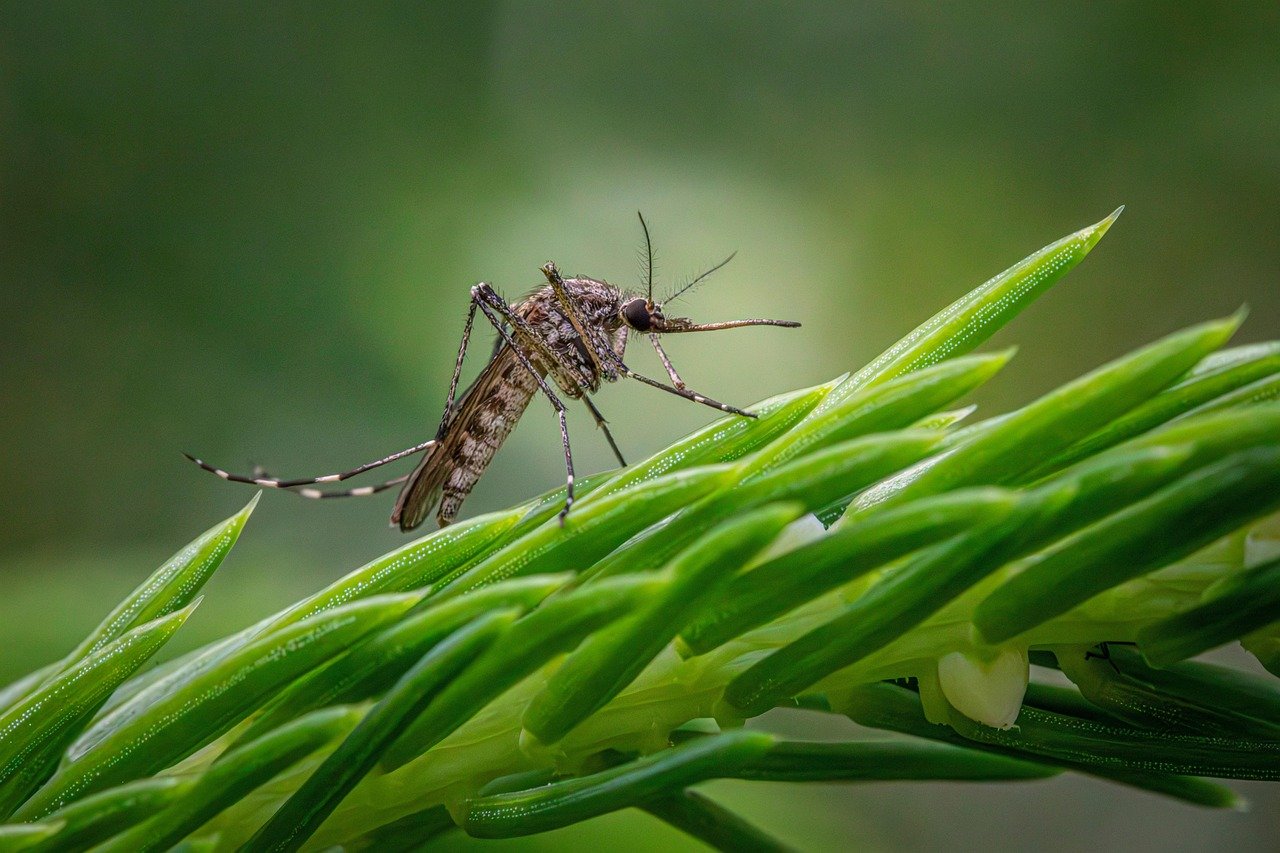
Mosquitoes are more than just a nuisance. They carry diseases and make outdoor time uncomfortable. Luckily, nature has a solution. You can keep mosquitoes away without chemicals. The best mosquito repellent plants do the job naturally and beautifully.
In this guide, we’ll explore the top natural mosquito repellent plants to create a safer and more pleasant home. Whether you want mosquito repellent plants indoor or mosquito repellent plants outdoor, we’ve got you covered.
Table of Contents
15 Best Mosquito Repellent Plants that are Perfect for Your Home and Garden
The following are some of the best mosquito repellent plants that are easy to grow and effective. These plants will beautify your space and keep biting insects at bay.
1. Citronella: The Queen of Mosquito Repellents
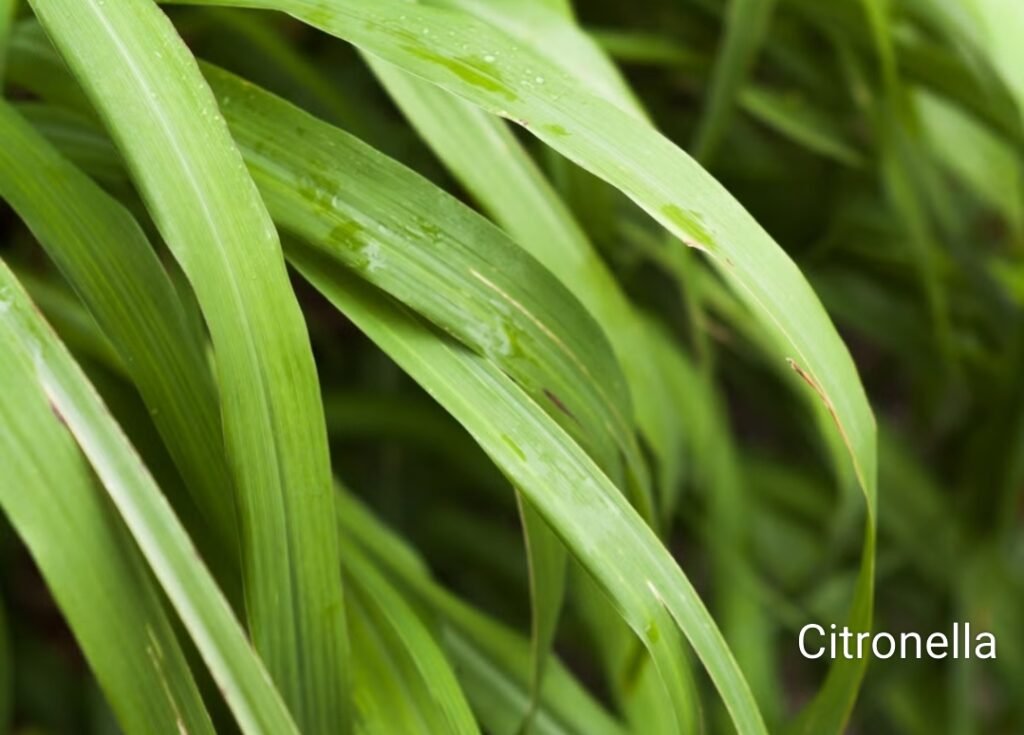
When talking about the best mosquito repellent plants, citronella mosquito repellent plants the name of come first. Citronella is a type of grass that gives off a strong lemon-like scent. That scent masks smells that mosquitoes use to find people.
Citronella is almost used in the oil making process. But having the live citronella mosquito repellent plants around is even more effective. These plants can be grown in pots or in the garden if you wish.
They do best in warm climates like mosquito repellent plants Texas or mosquito repellent plants Florida environments.
2. Lavender: A Beautiful Scent with Powerful Effects
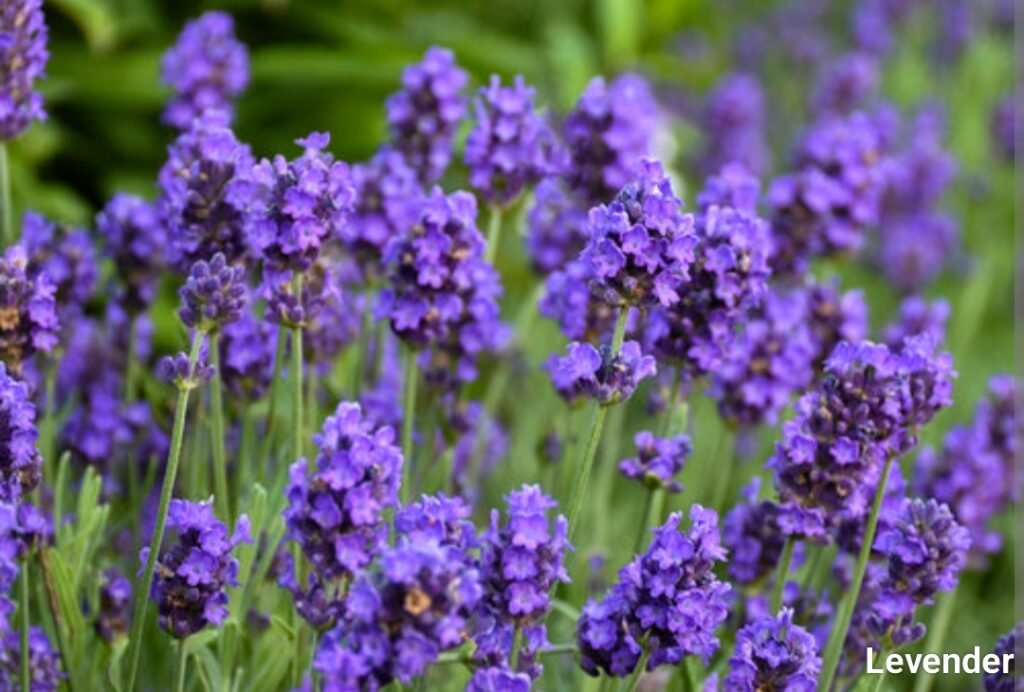
Lavender is loved for its calming aroma. But it’s also one of the best mosquito repellent plants. Its scent deters mosquitoes, moths, and flies.
Plant it in sunny areas outdoors. Or place dried lavender in vases inside your home. Lavender is also one of the best mosquito repellent plants safe for dogs.
This makes it perfect for families with pets.
3. Marigolds: Bright Flowers That Mosquitoes Hate
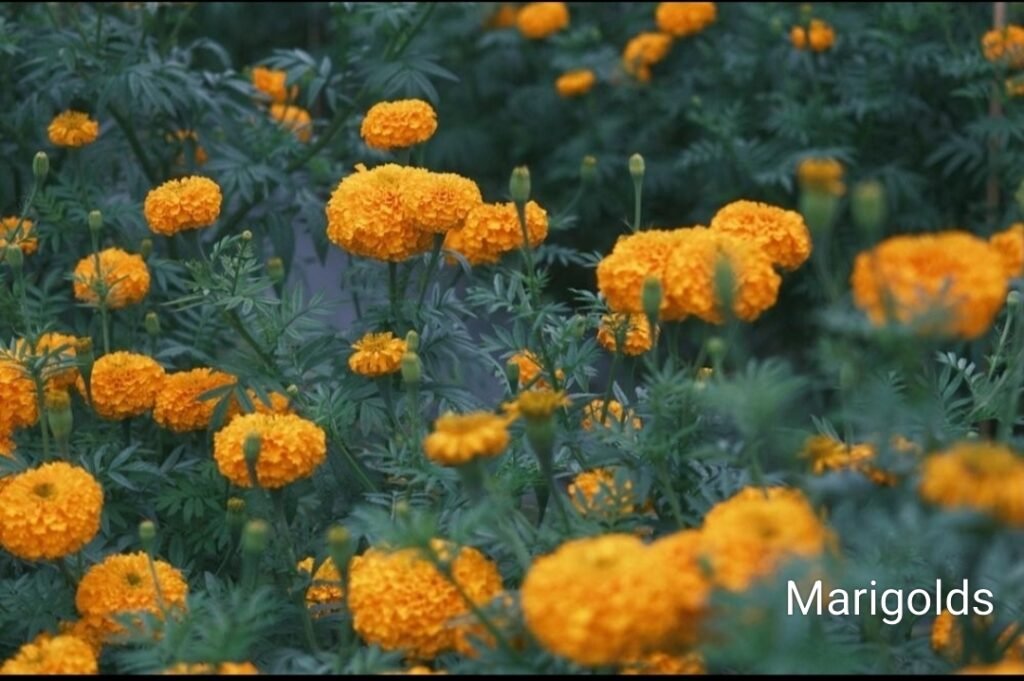
Marigolds are not only with a sweet smell and beautiful, but they are also powerful fly and mosquito repellent plants. A compound that produces pyrethrum and insect repellent has been found in yellow marigolds.
Place marigolds near entryways, patios, and vegetable gardens. They are automatically grow and make excellent outdoor mosquito repellent plants.
4. Basil: Delicious and Defensive
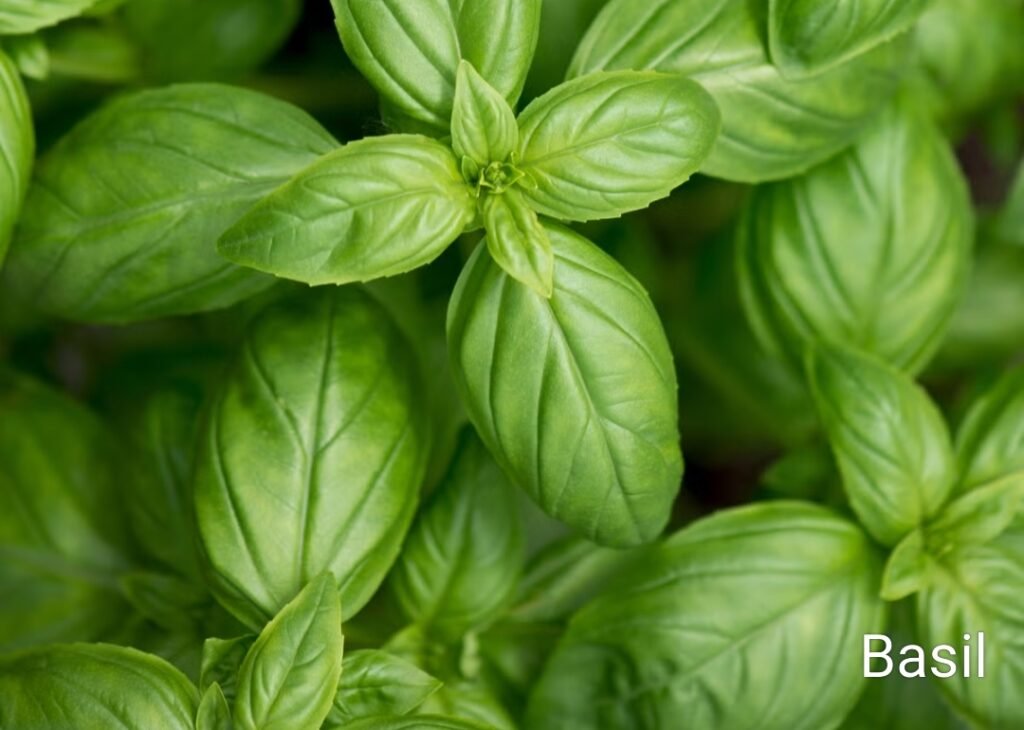
You might love basil in pasta, but mosquitoes hate it. This fragrant herb is one of the best natural mosquito repellent plants.
Basil releases its scent without crushing the leaves. Place a basil plant on your balcony. It’s a great choice for indoor mosquito repellent plants too.
5. Peppermint: Fresh Scent That Keeps Bugs Away
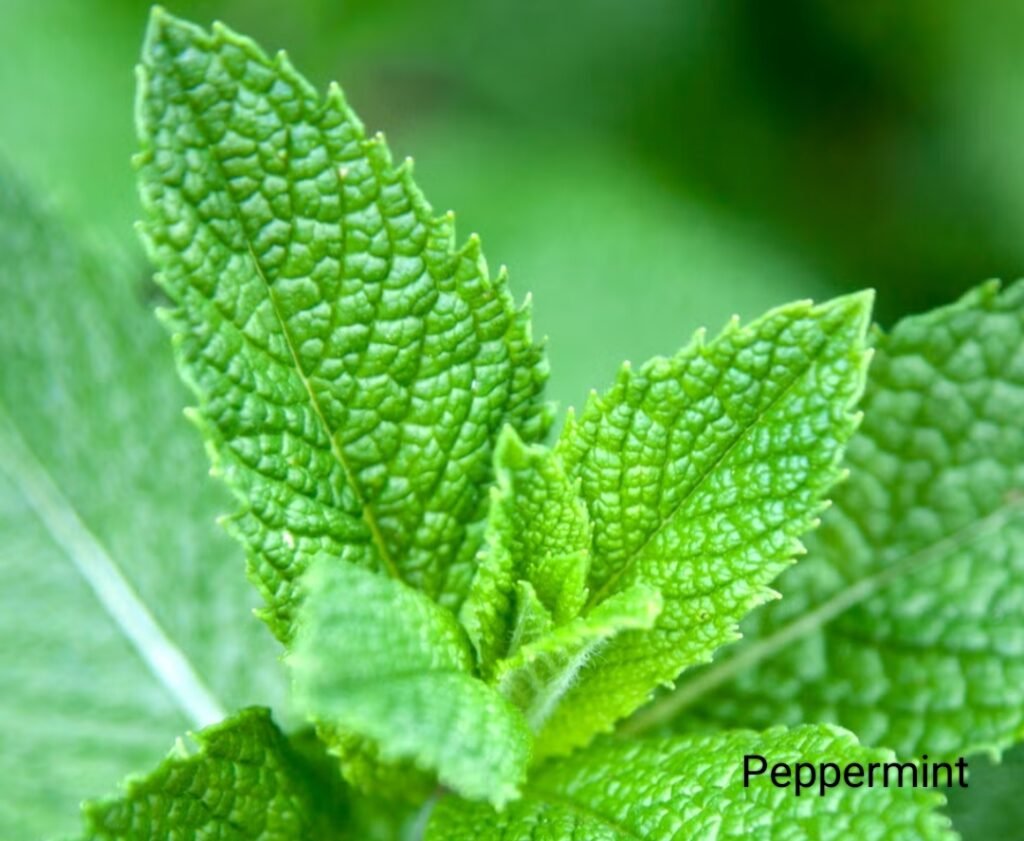
Peppermint has a strong aroma that confuses and repels mosquitoes. This plant is best for soothing mosquito infestation.
You can use it as one of your indoor mosquito repellent plants or grow it in containers outside. But it requires sufficient of sunshine and water.
6. Lemon Balm: A Pleasant-Smelling Defense
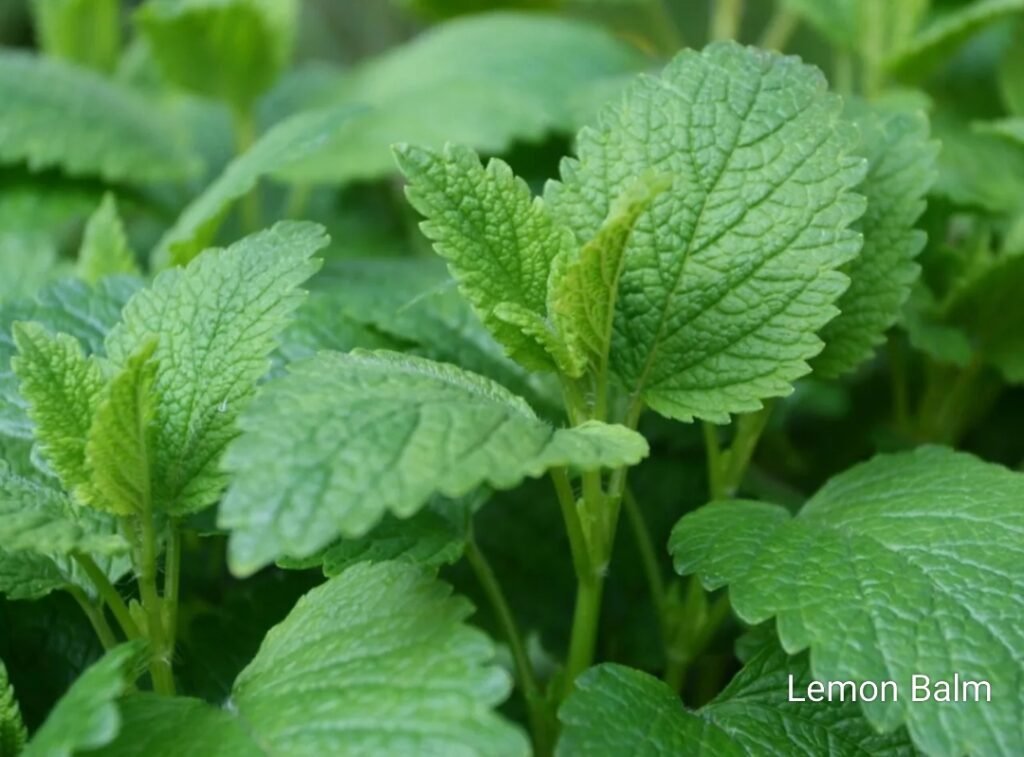
Lemon balm is part of the mint family. It’s known for its citrus scent, which is disliked by mosquitoes.
This plant grows fast, so it’s great for beginners and it used for boundaries plant. It works well as a dog safe mosquito repellent plant too.
7. Rosemary: Herb and Mosquito Repellent
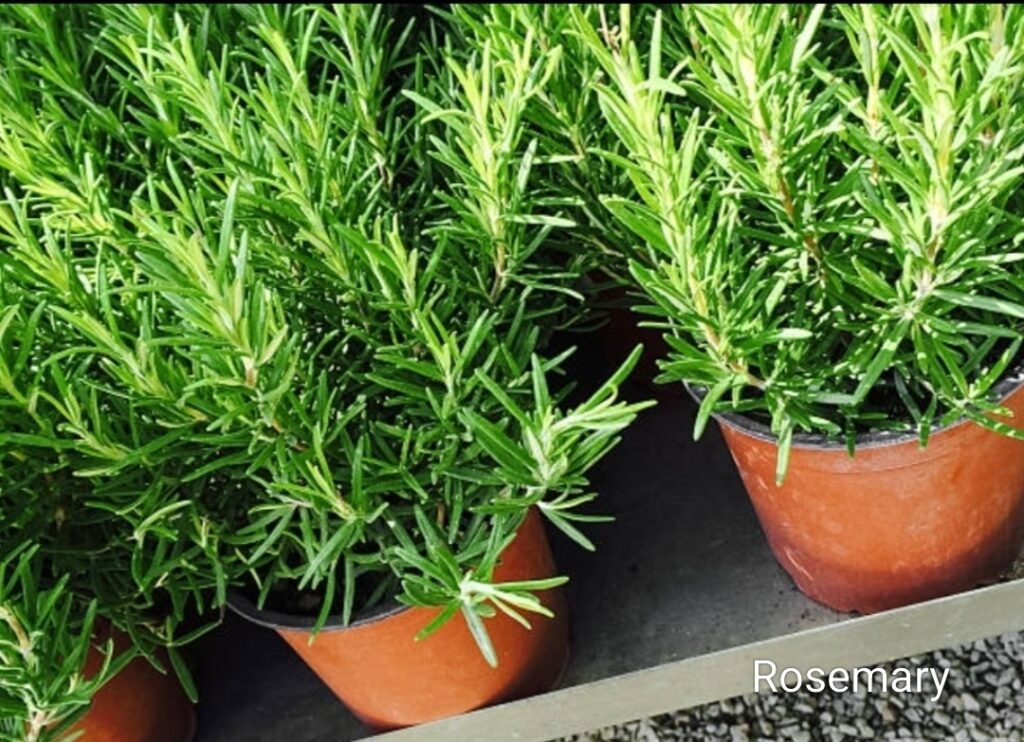
Rosemary is another herb that mosquitoes dislike. It gives off a woody smell that keeps them at a distance.
It thrives in dry climates and sunny spaces. Rosemary also doubles as a cooking herb, making it one of the most practical mosquito repellent plants indoor and outdoor.
8. Catnip: More Than Just for Cats
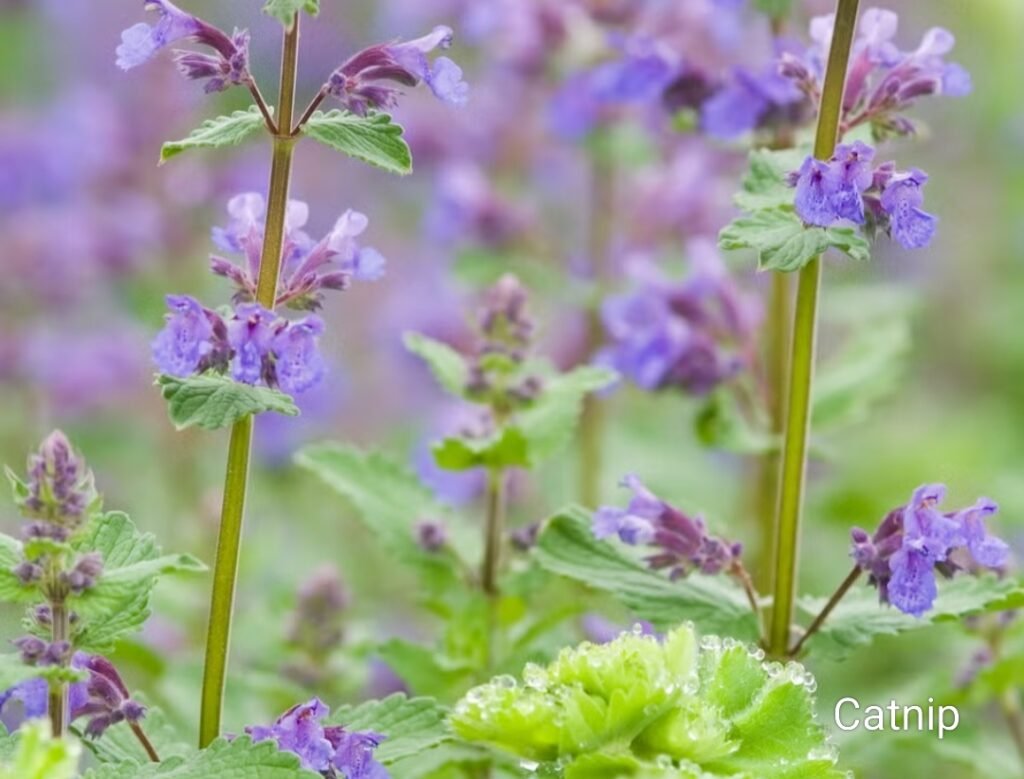
Catnip is known for its effect on cats, but it’s also a strong mosquito repellent. It includes nepetalactone, which is often heavily effective than DEEP.
This makes catnip one of the most powerful perennial mosquito repellent plants. Grow it in containers or garden beds for easy care.
9. Geranium: A Decorative Yet Powerful Option
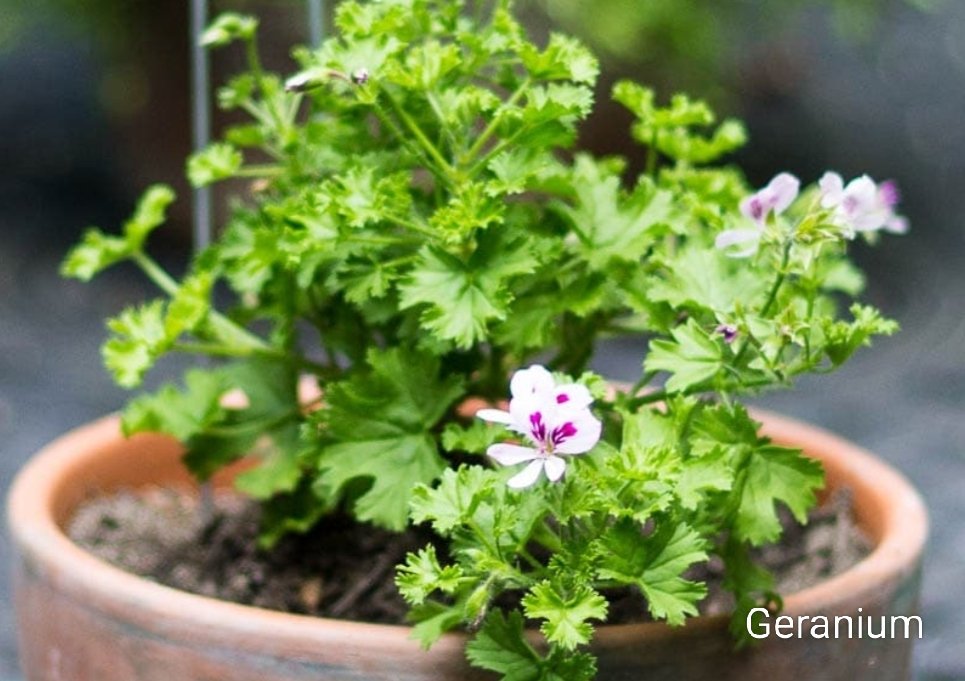
Scented geraniums, especially lemon-scented ones, are lovely to look at and great for repelling bugs. Their smell is similar to citronella.
These are excellent mosquito repellent plants outdoor and work well in hanging baskets or pots near doors and windows.
10. Garlic: A Strong Scent to Keep Pests Away
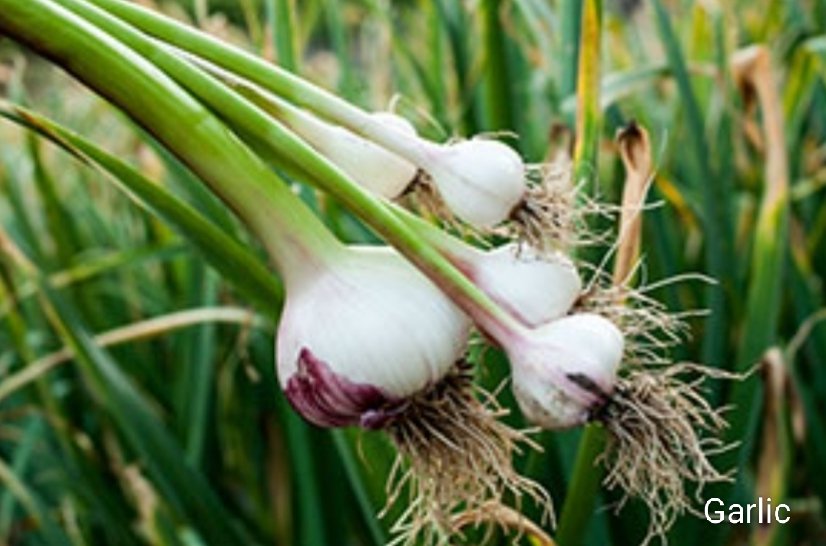
Garlic repels mosquitoes and even other insects. You can plant it in garden beds, or use garlic sprays around outdoor areas.
It’s a dual-purpose plant. Garlic is both a culinary staple and one of the best mosquito repellent plants.
11. Bee Balm: Attract Bees, Repel Mosquitoes
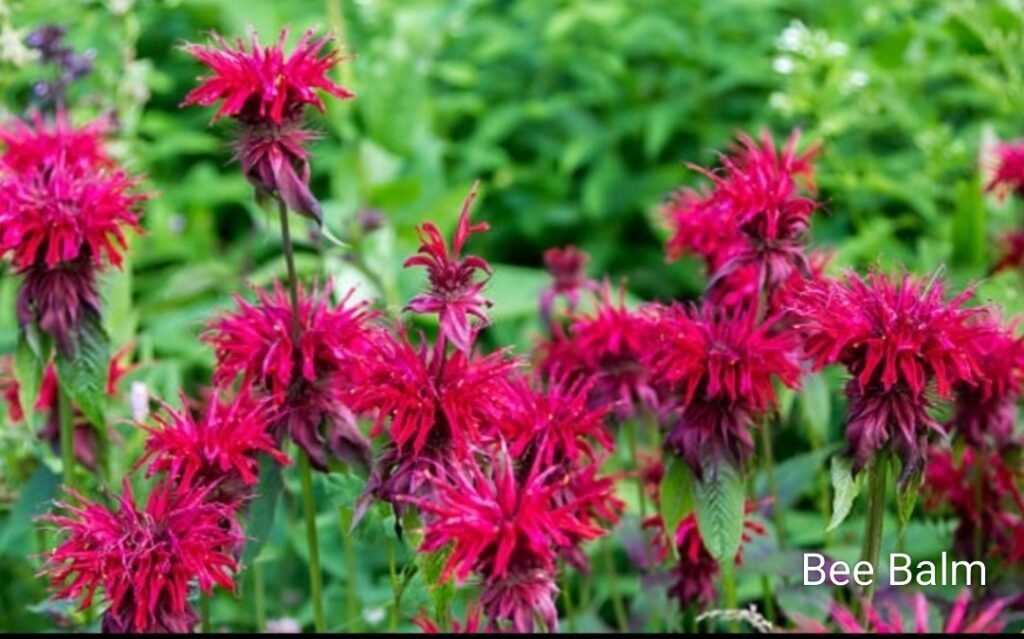
Bee balm attracts pollinators like bees and butterflies. But its scent keeps mosquitoes away. It grows fantastic in flower clusters and rows within borders.
Bee balm is a beautiful and effective mosquito repellent plant choice for any garden.
12. Eucalyptus: Fresh Scent, Natural Barrier
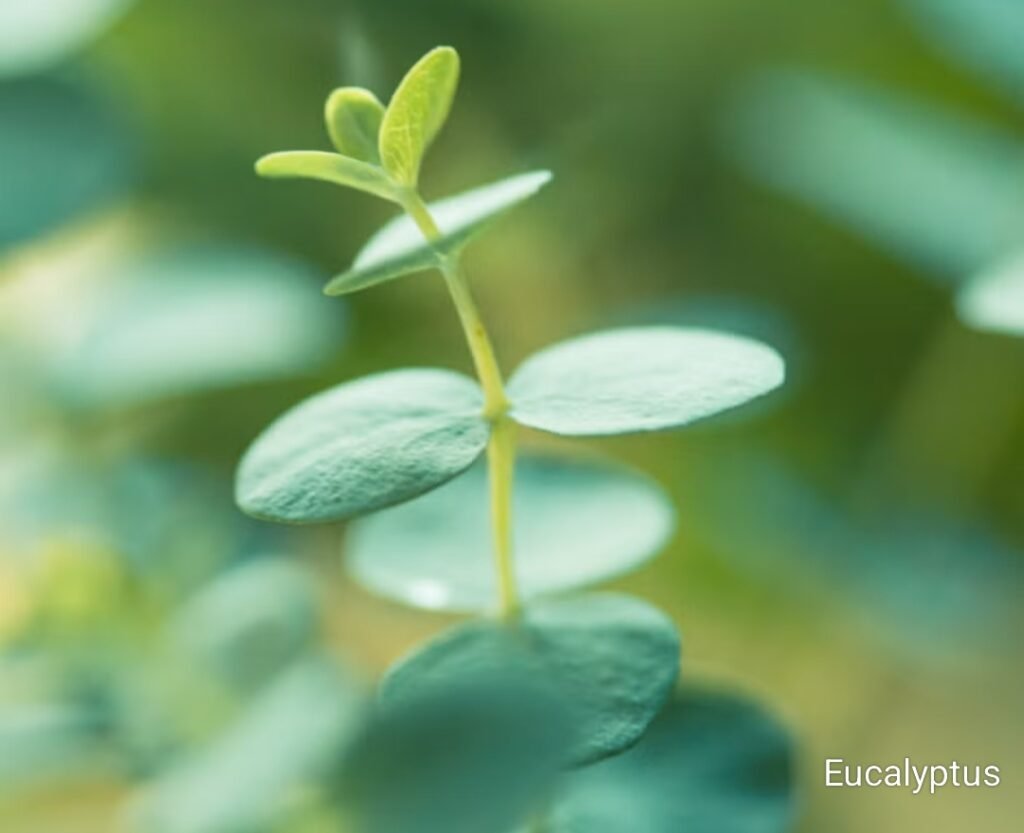
Eucalyptus oil is a known insect repellent. The live plant itself also works well against mosquitoes.
It grows into a small tree, so it’s best for larger spaces or containers on patios. It’s especially suited for warm climates, making it great for mosquito repellent plants Texas.
13. Lemongrass: Aromatic and Protective
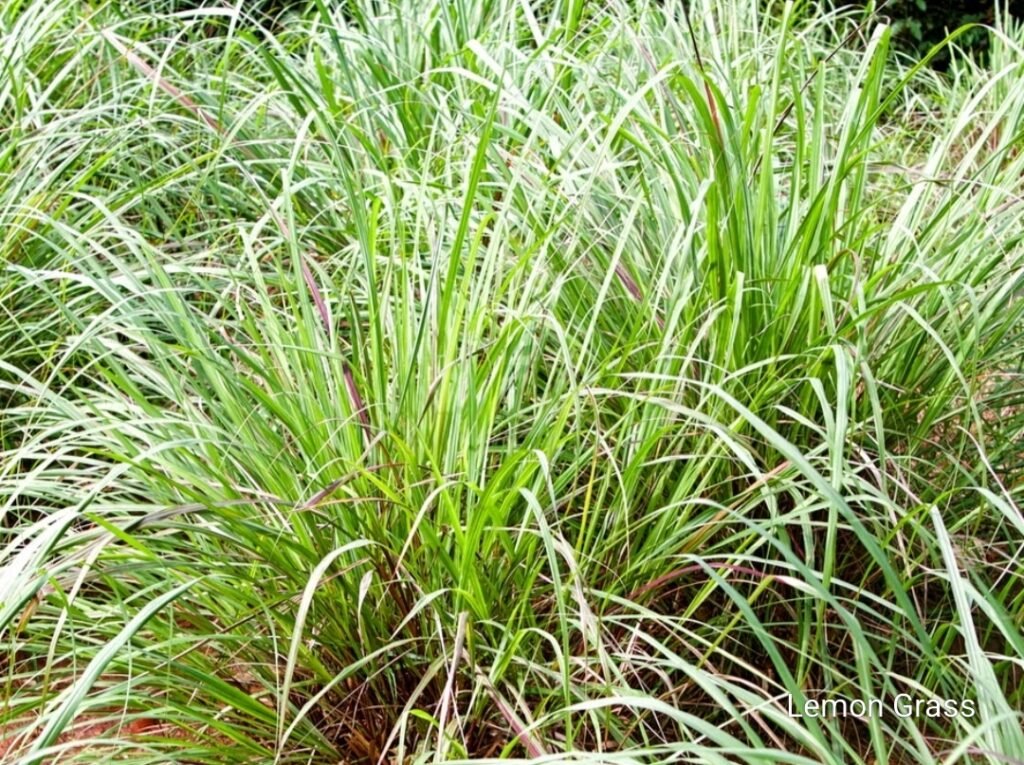
Lemongrass is closely related to citronella. It has a lemony scent that bugs can’t stand.
Grow it in large pots, especially if you live in a warm area. It’s one of the best mosquito repellent plants Florida residents can use year-round.
14. Allium: Pretty Globes That Keep Bugs at Bay
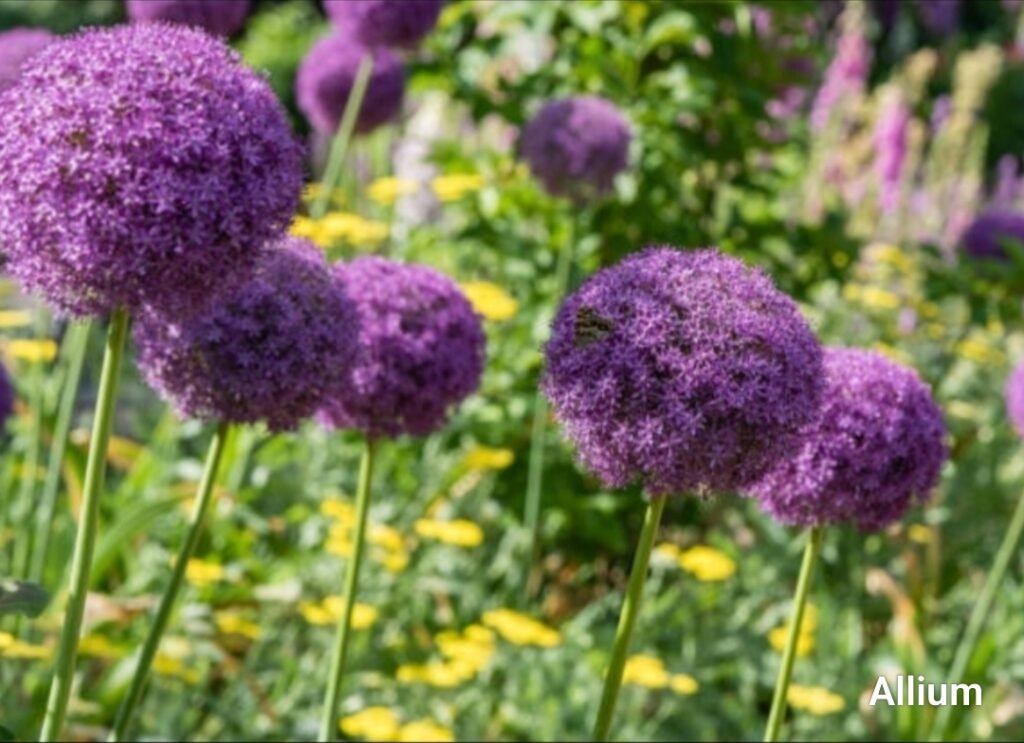
Allium flowers are globe-shaped and purple. They look great in any garden.
They also repel mosquitoes, flies, and other pests. Alliums are perennial mosquito repellent plants, which means they come back year after year.
15. Bay Leaves: Great in Stew and Better in Pest Control

Bay leaves repel not only mosquitoes but also flies, ants, and roaches.
You can grow a bay plant in a pot and keep it inside or outside. This plant is both ornamental and functional, ideal as a mosquito repellent plant indoor or outdoor.
Benefits of Using the Best Mosquito Repellent Plants
Using natural mosquito repellent plants offers many advantages:
- Chemical free: No need for harmful sprays.
- Safe for pets and kids: Especially if you use dog safe mosquito repellent plants.
- Adds beauty to your home: Most of these plants are lovely to look at.
- Multifunctional: Many are herbs for cooking or have medicinal uses.
- Low maintenance: Most are easy to grow.
Indoor vs. Outdoor Best Mosquito Repellent Plants
Both types of plants serve different roles. Here’s how to decide:
Indoor Best Mosquito Repellent Plants
- Perfect for apartments and small spaces.
- Keep mosquitoes away from bedrooms and living rooms.
- Popular choice are peppermint.
These are great indoor mosquito repellent plants and are usually dog safe mosquito repellent plants too.
Outdoor Best Mosquito Repellent Plants
- Create a natural barrier on patios and gardens.
- Protect doorways and windows.
- Best for climates like those with mosquito repellent plants Texas and mosquito repellent plants Florida needs.
Use citronella, marigolds, rosemary, and lemongrass as your go-to outdoor mosquito repellent plants.
Using Mosquito Repellent Plants with Pets
If you have pets, use mosquito repellent plants safe for dogs like:
- Lavender
- Basil
- Rosemary
- Lemon balm
Avoid plants like citronella and geranium indoors if you have sensitive pets. Always do a quick check on pet safety before adding new plants.
Caring for Your Plants – Tips for Success
Even the best mosquito repellent plants need the right care to stay healthy and fragrant. Here’s how to keep your plants growing strong:
Soil and Fertilizer
Most mosquito-repelling plants prefer well-draining soil. Vermicompost and cow dung fertilizer are very beneficial for rapid plant growth. Avoid over-fertilizing as this can reduce scent production.
Watering
Water your plants regularly, but avoid soggy soil. Basil, peppermint, and lemon balm like moist soil. Lavender and rosemary prefer drier conditions.
Sunlight Requirements
- Full Sun: Lavender, rosemary, lemongrass.
- Partial Shade: Basil, peppermint, catnip.
Match the plant’s sun preference with the right spot in your garden or home.
Pruning
Prune regularly to encourage growth and keep the scent strong. For herbs, pinching off flower heads can make the plant bushier and more fragrant.
Conclusion: Build a Safer and A Natural Defense for a Comfortable Greener Home with the Best Mosquito Repellent Plants
The best mosquito repellent plants are easy to grow, safe for your family, and kind to the environment. They give you peace of mind without harmful chemicals.
Whether you’re looking for mosquito repellent plants outdoor, indoor mosquito repellent plants, or even mosquito repellent plants safe for dogs, there’s a perfect plant for your needs.
If you’re tired of itchy bites, buzzing pests, and harmful sprays, the answer might already be in your garden. The best mosquito repellent plants do more than keep mosquitoes at bay. They refresh your home, beautify your garden, and protect your loved ones.
Whether you’re growing mosquito repellent plants indoor, cultivating a lush outdoor space, or mixing herbs into DIY sprays, you’re taking a step toward a healthier, happier home.
Now is the time to turn your garden or balcony into a natural barrier against mosquitoes. Choose your favorites from this list of the best mosquito repellent plants and enjoy a bite-free season naturally.
Turn your home into a safe, bug-free haven. Use nature’s defense system plant the best natural mosquito repellent plants today!

Curtains play an important role in setting the mood in the bedroom. Whether you want to create a cozy retreat or need a bright, airy space, because a bedroom curtain ideas can transform the entire room. Curtains aren’t just for privacy or blocking out sunlight. Curtains can also help add color, texture, and warmth to your bedroom. In this article, we will discuss the top 12 bedroom curtain ideas to inspire your next bedroom update.
Table of Contents
1. Bedroom Curtain Ideas: Light and Breezy Sheer Curtains for a Soft look
When considering bedroom curtain ideas, sheer curtains are a great option to give your room a light, airy feel. Sheer curtains allow natural light to enter and maintain privacy. They are perfect for those who want to create a calm and peaceful atmosphere in their bedroom. Pair them with heavy drapes or blinds for a layered look.
Sheer curtains are available in a variety of colors and designs, so you can easily find the perfect style for your bedroom. Whether you prefer a minimalist look or something more textured, farmhouse bedroom curtains are the perfect curtains to fit your ideas.
2. Master Bedroom Curtain Ideas: Darker Drapes for Sleep-Friendly Spaces
For the master bedroom, you might want to choose bedroom curtain ideas that block outer light and promote good sleep. Dark colored curtains, such as deep blue or charcoal gray, are great for creating a cozy atmosphere. Blackout curtains are a great choice, especially for those who want to sleep in complete darkness.
Choose rich fabrics like velvet or heavy cotton for extra insulation and noise reduction. This can give your master bedroom a more heavenly feel for relaxation. For a coordinated look, pair them with matching accessories, such as pillows and bed sheets.
3. Bedroom Curtain Ideas with Blinds: The Perfect Combination of Function and Style

If you like the idea of versatility, bedroom curtain with blinds can provide a perfect balance between style and functionality. Blinds allow you to control how much light enters the room while maintaining privacy. You can choose between wooden blinds, which add a touch of warmth and texture, or sleek aluminum blinds for a more modern look.
Pairing blinds with fabric curtains is a great way to combine light control and decorative appeal. When you adding a soft, elegant touch to your bedroom, choose fabric curtains in a neutral color, such as beige or light gray, to match your blinds.
4. Small Bedroom Curtain Ideas: Maximizing Light and Space
Small bedrooms can feel cramped, so choosing the right curtains is essential to make the most of the space. For small bedroom curtain, choose light colored curtains in plain fabrics to keep the room open and spacious. White curtains are a timeless option that can make a space look bigger and brighter.
Additionally, try using tall and wide curtains to create the illusion of tall ceilings and large windows. Floor to ceiling curtains can give your small bedroom an airy, spacious feel, which is crucial for making a small room look less cramped.
5. Bedroom Curtain Ideas for Small Windows: Creating the Illusion of Larger Windows
When working with small windows, it’s important to use bedroom curtain that give the feeling of more space. One way to do this is to use floor-to-ceiling curtains. This technique draws the eye upward, making your windows appear taller and your room feel more spacious.
Additionally, choose light, transparent quality curtains. Light-colored fabrics like ivory or soft pastels can make small windows feel more open. Sheer curtains or lightly textured linen curtains are perfect for small bedroom curtain ideas, especially if you want to keep the environment cozy and airy.
6. White Bedroom Curtain Ideas: Bright and Timeless Elegance
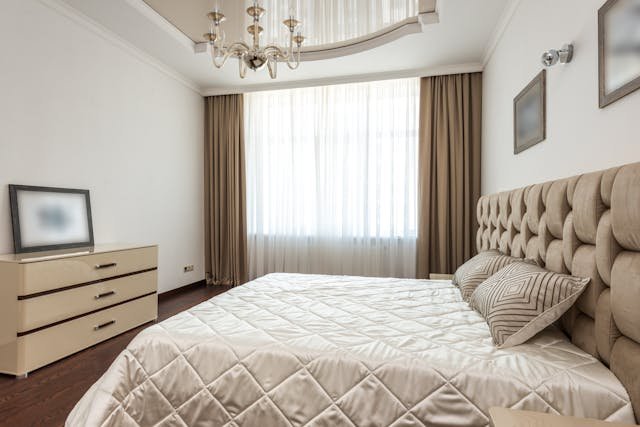
White curtains are a classic choice for any bedroom. They offer a timeless beauty that works in almost any home environment. White bedroom curtain are essentially popular in bedrooms with modern or Scandinavian design elements. Their simplicity can help create a minimalist, clean, and refreshing environment.
For those who want a slightly more luxurious look, you can choose white bedroom curtains made of silk or satin fabrics. These materials will add a soft glow to your room, making it feel more sophisticated without being too bold.
7. Bedroom Curtain Ideas for Short Windows: Highlighting the Charm of Small Spaces
Short windows are often seen in older homes or found in certain areas where installing larger windows is not possible. Bedroom curtain for small windows emphasize on making the best of a cozy, intimate atmosphere. The key is to choose curtains that don’t put pressure on the window. Choose short curtains that reach just below the sill, or choose for Roman blinds for a clean, tailored look.
For a more traditional feel, you can also hang curtains that slightly blend into the floor and create a charming, village atmosphere. Light, neutral tones can help create a calming atmosphere in your bedroom, while a pop of color can add interest.
8. Modern Bedroom Curtain Ideas: Clean Lines and Bold Colors
If you want to create a modern, elegant atmosphere in your bedroom, consider modern bedroom curtain ideas that combine clean lines and bold colors. Geometric designs or bold colors like dark navy or charcoal gray are great options to add an interesting touch to your space.
Modern bedroom curtain ideas often include metal or wooden curtain rods, which add an industrial feel. The key is to avoid excess frills or extra fabric. Instead, choose for sleek, streamlined curtains that complement your minimalist decor.
9. Farmhouse Bedroom Curtain Ideas: Cozy and Rustic Charm
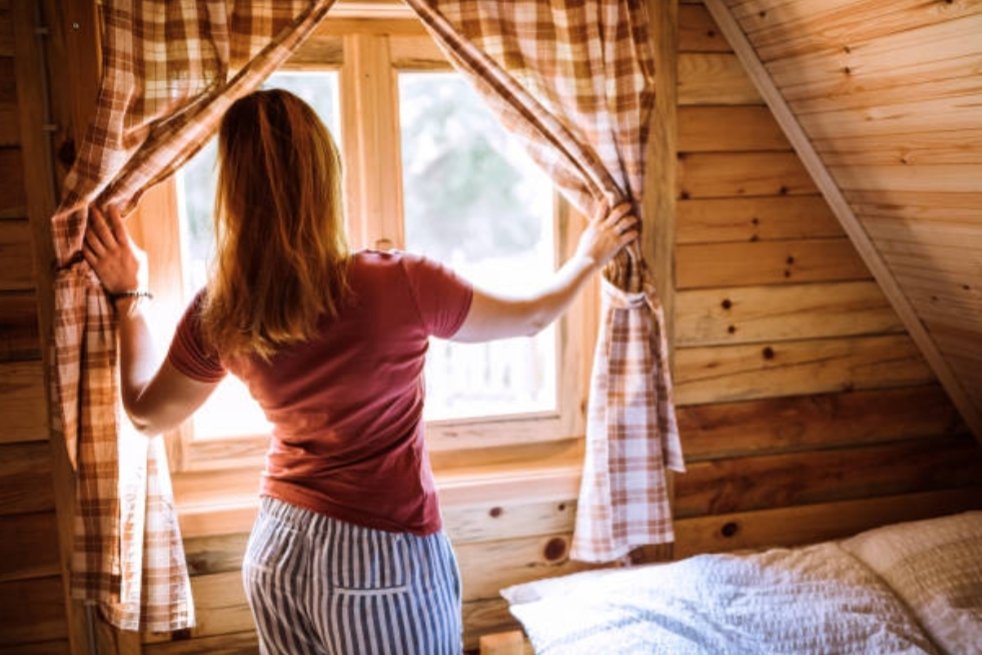
Farmhouse bedroom curtain ideas usually emphasize comfort and warmth. These ideas often feature natural fabrics like linen, cotton, or burlap. Choose plaid or gingham patterns for a more rustic touch, or choose solid neutrals colors like beige and taupe for a more minimalist farmhouse feel.
Farmhouse bedroom curtains are often hang with wooden rods, which adds even more rustic appeal. Layering different types of curtains, such as sheer curtains and heavy fabric curtain, can add depth and texture to your bedroom.
10. Blue Bedroom Curtain Ideas: Adding a Touch of Calm and Tranquility
Blue is a color that provides comfort, relaxation, making it an excellent choice for bedroom curtains. Whether you choose soft pastel colours or a bold navy color, blue bedroom curtain ideas can create a peaceful rest. Light blue curtains work well in a coastal or shabby chic bedroom, while navy curtains add sophistication and drama.
If you’re not sure about wearing all blue curtains, consider adding some blue accents to your bedroom curtains. A soft, muted pattern with blue accents can give you the calming feel of blue without overwhelming the room.
11. Gray Bedroom Curtain Ideas: Subtle Elegance and Versatility
Gray is a natural color that works well in many bedroom settings. Gray bedroom curtain ideas are ideal for creating a calm, soothing atmosphere. Light gray curtains can keep the room feeling airy and bright, while darker grays curtains add a touch of drama and sophistication.
Gray bedroom curtains go beautifully with almost any color. Whether your bedroom minimalist, or more traditional, the color gray can perfectly complement your decoration style.
12. Kids Bedroom Curtain Ideas: Fun and Playful Designs
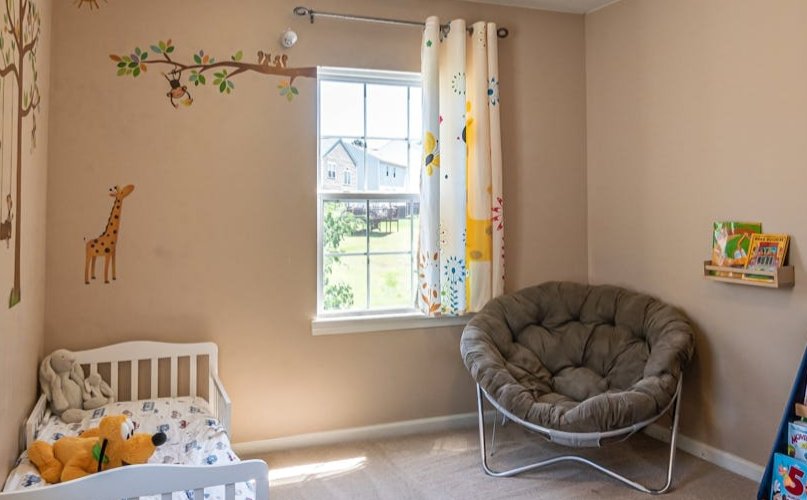
When it comes to kids’ bedrooms, curtain ideas should be both functional and fun. Bright colors, quickly designed, or curtains with favorite characters can make a child’s bedroom feel more personal and exciting. Children’s bedroom curtains can be playful and vibrant, while also being durable and easy to wash.
To keep things practical, look for curtains made of sturdy fabrics like cotton or polyester that can withstand frequent washing. You may also want to consider using blackout curtains to help your little children sleep better at night, even during the day.
Adding More Layers to Your Bedroom Curtain Ideas for a Perfect Finish
Exploring different type of bedroom curtain ideas can help you discover the combination that suits your lifestyle and design tastes. Curtains affect the feel of a room, from the brightness to mood. This is why choosing the right styles, fabrics, and color is so important. In this extended section, we will look deeper into layering curtains, mixing patterns, and using accessories to enhance your overall design.
Layered Bedroom Curtain Ideas for Extra Style and Function
Layering curtains is one of the best ways to add depth and sophistication to your room. This method combines practicality and style. This also you easily adjust the lighting control in your home. Start with a base layer of blinds or sheer curtains. Then add a heavy curtain on top for privacy and warmth.
Layered bedroom curtain work beautifully in master bedrooms, guest rooms, and even children’s rooms. They also help make small rooms look more complete and thoughtfully designed. If you like flexibility, layering gives you endless styling options. Change the top layer seasonally to match your decoration without replacing the entire setup.
Patterns and Prints for a Playful Twist
Patterns is a great way to express personality. Floral prints create a romantic feel. Stripes add structure and elegance. The geometric design give your home a modern look. These design go well with modern bedroom curtain ideas, farmhouse bedroom curtain ideas, or even simple minimalist look.
For small rooms or rooms with short windows, choose subtle prints that would not overpower the space. Light design bedroom curtain ideas work best for small rooms because they liven up the room and don’t make the room feel crowded. If your bedroom feel dark, choose a soft colors scheme like beige, sky blue, or gray.
Choosing the Right Hardware for Your Bedroom Curtain Ideas
Curtain rods, rings, and hooks may seem like small things, but they can make a big difference. Sleek metal rods fit well with modern and minimalist designs. Wooden rods fit perfectly with rustic or farmhouse styles. Crystal or decorative finials add charm and personality to your curtain decor.
The right hardware for small windows enhance the look of bedroom curtain ideas. A long rod extending beyond the window frame creates the illusion of a larger windows. This technique works equally well for bedroom curtain ideas and small windows. This makes the entire wall feel wider and more open.
Matching Your Curtains With Room Color Schemes
Color harmony can really enhance your space. Soft color palettes help the room feel calm and welcoming. Dark colors add drama and style. Neutral tones like white, beige, and gray never go out of fashion.
If you prefer a clean and fresh style, then white bedroom curtain ideas are a timeless choice. They brighten up the room and blend seamlessly with almost any decor. For a calming atmosphere, blue bedroom curtain ideas are perfect. Blue color bring peaceful energy, which makes them ideal for bedrooms. On the other hand, gray curtains add beauty and balance, making gray bedroom curtain ideas suitable for both modern and traditional environment.
Functional Bedroom Curtain Ideas for Better Living
Functionality is just as important as style. If you live in a busy area, look for fabrics to reduce noise. If your bedroom gets a lot of sunlight, especially in the morning, blackout curtains can help you sleep better.
For children, kids bedroom curtain ideas should combine fun and practicality. Choose curtains in fun colors or prints, but also consider safety and durability. Machine-washable clothes are especially helpful for busy families.
If you want a clean and tidy look with complete control over brightness, consider bedroom curtain ideas with blinds. This combination is great for those people who like to customizing lighting throughout the day.
Combining Comfort and Style in Every Room
The beauty of exploring many bedroom curtain ideas is that you can mix comfort, style, and practicality in the same design. Curtains bring softness to the room. They absorb sound, add warmth, and complete the overall decor. Whether your space is large or small, modern or rustic, you can always find a curtain ideas that enhance your space.
Layered curtains, bold design, classic whites, or calming blues, all of these options will help you create a cozy and beautiful bedroom environment. Your curtains will reflect your lifestyle and make your bedroom a true haven and relaxation.
Conclusion
Bedroom curtain ideas are essential for transforming your bedroom into a haven that reflects your style. Whether you’re looking for a way to add texture, control light, or just enhance your decor, the right curtains can make all the difference. From sheer curtains for a soft, airy look to luxurious velvet curtains in your master bedroom, there are countless options to explore. By considering factors like your bedroom’s size, design style, and functional needs, you can easily find the perfect curtains to enhance your space.
Remember, curtains aren’t just a practical element they’re an opportunity to express your personality and add character to your home. So, take your time exploring different bedroom curtain ideas and create a comfortable, stylish retreat where you’ll love spending time in.
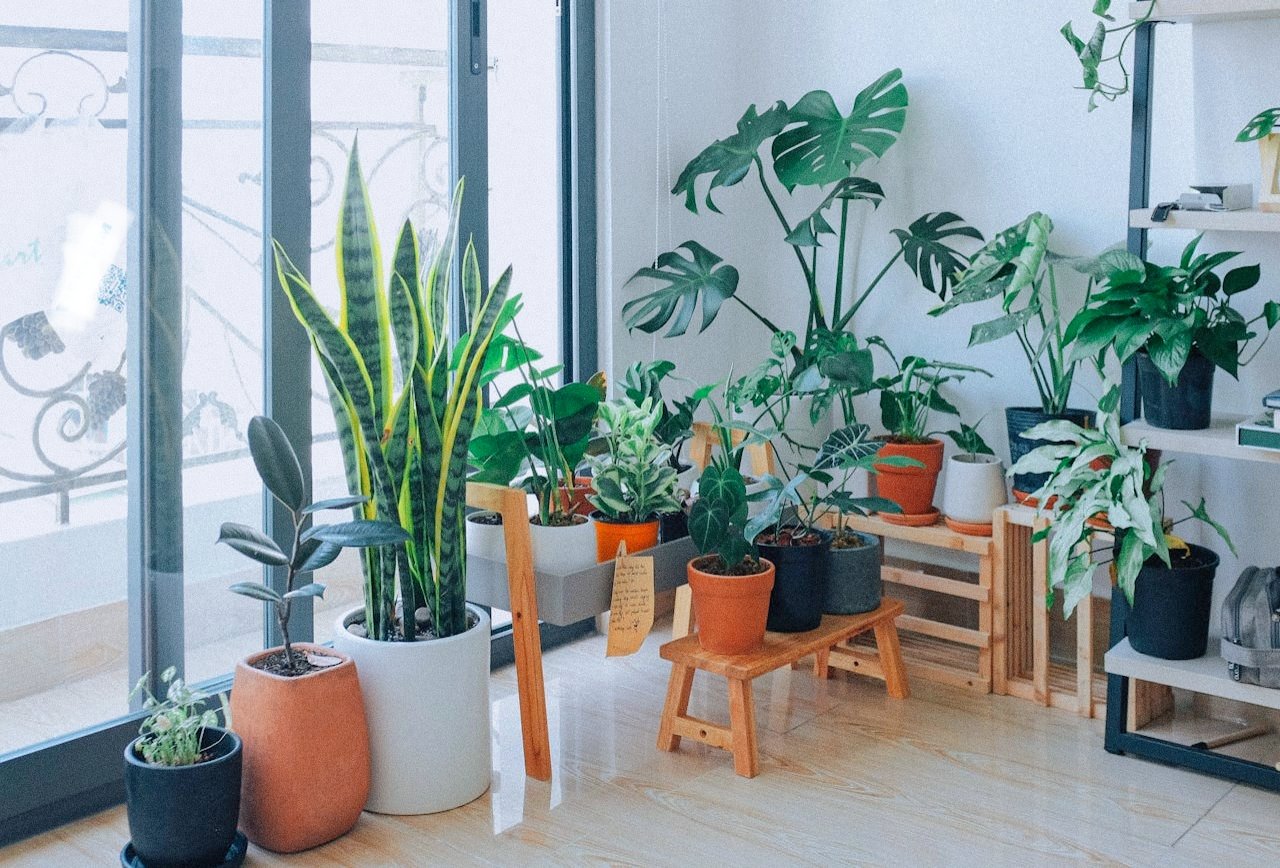
Green plants in your home are not just for decoration, they are much more than that. Indoor plants have long been admired for their ability to enhance the aesthetic of a home. But did you know that the best indoor plants for oxygen can transform your living space and certain indoor plants can also boost oxygen levels, purify the air, and improve the overall quality of your indoor environment? In this article, we’ll explore the best indoor plants for oxygen and how they can transform your living space into a healthier and more beautiful place. Whether you’re looking for low-light plants, ones that thrive in bedrooms, or even plants that don’t need direct sunlight.
They not only make your home beautiful but also provide fresh air. With clean healthy air your home feels more inviting. Let’s explore what are the best indoor plants for oxygen and how they can elevate your indoor environment.
Table of Contents
Best Indoor Plants for Oxygen: Why Oxygen Matters Indoors
The quality of the air we breathe indoors plays a huge role in our well-being. Poor air quality can cause discomfort, headaches, and even long-term health problems. The best indoor plants for oxygen not only add beauty to your home but also improve the air by releasing oxygen and absorbing harmful gases like carbon dioxide. They can act as natural air purifiers, helping to ensure that the air you breathe is as clean and fresh as possible.
Plants can have a profound effect on your health of mental. Studies have shown that being around greenery can reduce stress and increase overall feelings of well-being. Additionally, they can make your space feel more inviting and cozy, especially in areas where you spend a lot of time, like the bedroom or living room.
Air quality is an important part of your well-being. The best indoor plants for oxygen improve this by absorbing toxins and releasing fresh oxygen. NASA’s Clean Air Study highlighted several plants that filter harmful chemicals. These plants don’t just clean air — they also boost oxygen production. Having the best indoor plants to purify air is an easy way to create a healthier home.
When oxygen levels are higher indoors, you feel more energetic. Concentration improves, and stress levels drop. The best indoor plants for oxygen and clean air can even improve sleep. This is why many people look for the best indoor plants for bedroom spaces too.
What Are the Best Indoor Plants for Oxygen?
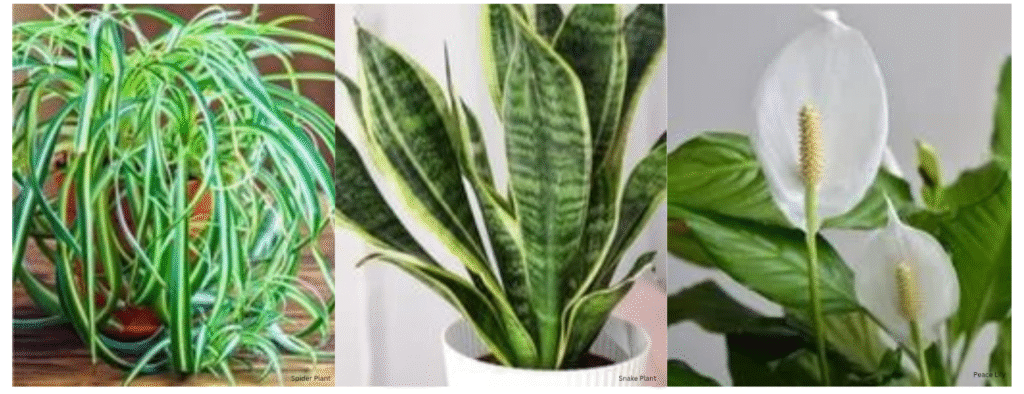
Indoor plants bring more than beauty into your home. Plants absorb carbon dioxide and release oxygen and purify the harmful toxins from the air. They boost the oxygen level, making the air fresh and clean. The best indoor plants for oxygen and clean air offer double benefits. The best indoor plants for oxygen help purify the air naturally and makes a healthy atmosphere for your family. They make your space look beautiful and feel healthier.
Many people wonder, what are the best indoor plants for oxygen? The answer depends on your environment and the specific needs of your home. Some plants are better suited for low-light areas, while others thrive in direct sunlight. Below, we’ll cover some of the best indoor plants for oxygen, and we’ll also discuss their specific benefits and care requirements.
1. Spider Plant – A Champion for Clean Air
Spider plants are one of the best indoor plants for oxygen production. The spider plant is a popular choice when it comes to improving indoor air quality. They are hardy and easy to grow. It’s one of the best indoor plants for oxygen because spider plants carbon monoxide and it helps remove toxins like formaldehyde and xylene from the air. These plants are very easy to care for and can thrive in low to moderate light and need minimal care. The spider plant also has the ability to produce small offshoots, which makes it even more attractive.
Spider plants are great for beginners. This plants do not require deep attention, which is perfect for busy people who want to joyful clean air without the hassle of complicated plant care. If you’re looking for the best indoor plants to purify air, the spider plant should be at the top of your list.
2. Snake Plant – Perfect for Bedrooms
Snake plants are widely regarded as some of the best indoor plants for oxygen and clean air. The snake plant, also called mother-in-law’s tongue, is one of the best indoor plants for bedroom spaces. They are known for their ability to produce oxygen at night because It releases oxygen at night. It is an plant ideal for sleeping areas, making them perfect for bedrooms. The snake plant is also one of the best indoor plants for low light and purifies the air by removing harmful toxins like benzene, formaldehyde, and trichloroethylene.
The snake plant is incredibly low-maintenance and can tolerate a wide range of environmental conditions, including low light and periods of drought. This makes it an ideal choice for individuals who may not have a green thumb or those who live in spaces with limited sunlight.
3. Peace Lily – Elegant and Effective
Peace lilies are beautiful and one of the best indoor plants to purify air. Peace lilies are not only known for their elegant white flowers but also for their remarkable ability to purify the air. They are often considered one of the best indoor plants for oxygen production, as they help remove pollutants like ammonia, benzene, and formaldehyde. They grow well in shade and cooler temperatures. Peace lilies are also among the best indoor plants for bark rooms because they handle humidity well. Peace lilies thrive in low to moderate light and can be a stunning addition to any room.
The Peace Lily’s ability to increase oxygen levels and remove harmful toxins makes it a top choice for anyone looking to improve the air quality of their home. With its glossy green leaves and white blooms, it adds both beauty and functionality to your indoor space.
Best Indoor Plants for Oxygen Production
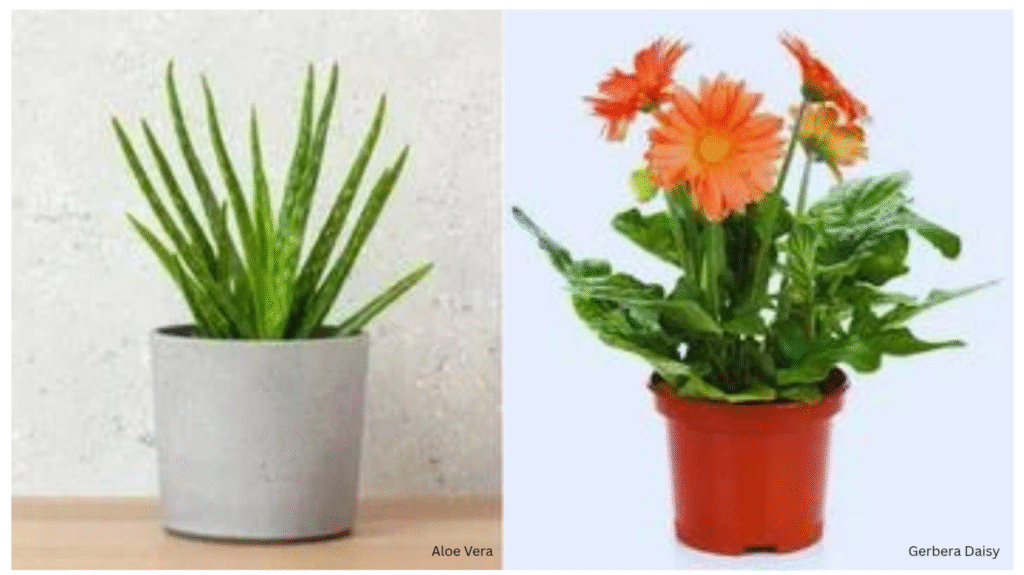
If you want maximum oxygen output, some plants stand out.
4. Aloe Vera – Medicinal and Air-Purifying
Aloe vera is not only a healing plant and just great for soothing skin burns and cuts, but it’s also one of the best indoor plants for oxygen production. It releases oxygen at night and removes harmful chemicals like benzene. Aloe Vera is a succulent that can store moisture in its leaves, which allows it to thrive even with minimal watering. The Aloe vera plan is best for purifying the night air because it absorbs carbon dioxide and release oxygen.
Aloe Vera is easy to grow and doesn’t require direct sunlight to flourish. If you want the best indoor plants for oxygen without sunlight, the aloe vera plant is one of the best. Its hardy nature and health benefits make it a great addition to any home.
5. Gerbera Daisy – Bright and Powerful
Gerbera daisies are colorful and one of the best indoor plants for oxygen and clean air. They filter toxins and boost oxygen levels. It prefers bright light, but it can also adapt to indoor lighting.
Best Indoor Plants for Oxygen Without Sunlight
Many people ask about the best indoor plants for oxygen without sunlight. These plants thrive in low-light areas and still improve air quality.
6. Bamboo Palm – Lush and Vibrant
Bamboo palms are one of the best indoor plants for oxygen without sunlight. They tolerate low light and add a tropical feel to any room. Bamboo palms also act as the best indoor plants to purify air by removing toxins.
The Bamboo Palm is one of the best indoor plants for oxygen and is well-known for its air-purifying properties. It can effectively filter out toxins like benzene, formaldehyde, and trichloroethylene. The Bamboo Palm thrives in low-light conditions, making it an excellent choice for spaces that don’t receive direct sunlight.
Not only does the Bamboo Palm improve oxygen levels, but it also adds a touch of tropical flair to your home decor. Its feathery fronds can brighten up any room, making it a versatile and attractive addition.
7. Areca Palm – Natural Humidifier
Areca palms not only release oxygen but also increase humidity. They are excellent plants of indoor for producing oxygen. Although they require moderate sunlight, they can thrive in dim light.
Best Indoor Plants for Oxygen in Low Light Areas
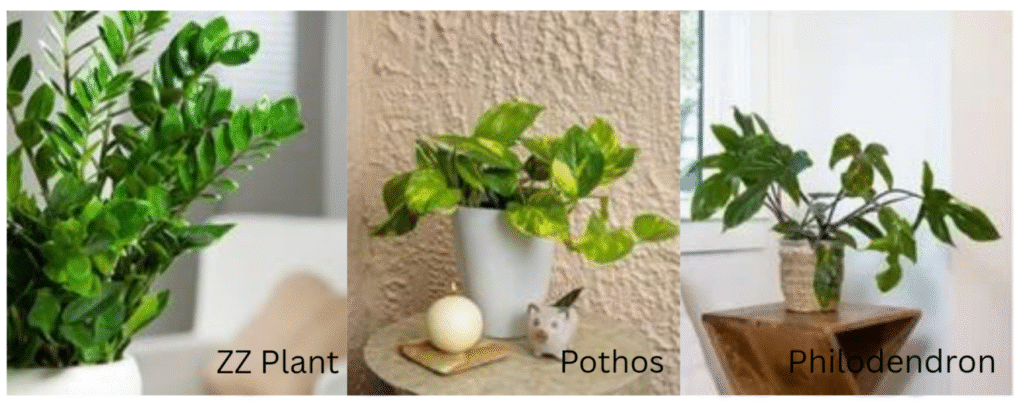
Many homes have rooms with little sunlight. Thankfully, the best indoor plants for oxygen can also thrive in these spots.
Many indoor plants that improve air quality and increase oxygen levels can thrive in low-light environments. If you have a space in your home that doesn’t receive much natural light, there are still plenty of options for you. Some plants for low light indoor:
8. ZZ Plant – Tough and Attractive
ZZ plants are some of the best indoor plants for low light. They tolerate neglect and poor lighting. They also contribute to cleaner air and improved oxygen levels.
The ZZ Plant is a tough, low-maintenance plant that can thrive in areas with very little sunlight. It’s one of the best indoor plants for oxygen in low-light conditions, as it can survive with minimal care and light. The ZZ plant is also great at removing toxins like xylene, toluene, and benzene from the air, making it an excellent choice for improving indoor air quality.
9. Pothos – Air Purifying for Good Health
Pothos is another popular plant that does well in low light while purifying the air. It is one of the best indoor plants for oxygen production because it can thrive in a variety of conditions and is particularly effective at cleaning the air of pollutants like formaldehyde, benzene, and xylene. Pothos is also incredibly easy to propagate, making it a fun and rewarding plant to grow.
10. Philodendron – Lush Greenery Indoors
Philodendrons thrive in indirect light and are easy to maintain. They are among the best indoor plants for oxygen and clean air. Their large leaves absorb toxins and release oxygen effectively.
Philodendrons are one of the best indoor plants for oxygen in low-light conditions. These plants are not only beautiful but also great at filtering the air and adding moisture to your home’s atmosphere. Their heart-shaped leaves can be a great addition to any room, especially in spaces that don’t get much natural light.
Best Indoor Plants for Oxygen and Clean Air in the Bedroom
The bedroom is an important area to focus on when it comes to air quality. Since we consume a significant portion of our time sleeping, it is essential that the air we inhale is as clean and oxygenated as possible. Below are some of the best indoor plants for oxygen that can make your bedroom a healthier place to rest. Bedrooms benefit from plants that improve air quality and humidity.
11. Boston Fern – Air Humidifier and Cleaner
Boston ferns thrive in humid environments, making them the best indoor plants for bedrooms. They add moisture and filter out pollutants.
12. Lavender – Soothing and Purifying
Lavender is ideal as one of the best indoor plants for bedroom spaces. Its soothing scent promotes relaxation. It also purifies the air and improves oxygen levels.
Lavender isn’t just known for its calming scent; it also helps improve air quality. Lavender is one of the best indoor plants for oxygen and clean air because it releases oxygen at night and has a relaxing effect, which can improve sleep quality. Its fragrance is known to reduce stress and it an excellent selection for the bedroom.
13. English Ivy
This plant has a versatile and attractive appearance, which is also best for filter the air. It’s one of the best indoor plants for oxygen production, as it can remove pollutants like benzene, formaldehyde, and mold. English Ivy thrives in a variety of lighting conditions and can be a beautiful addition to your bedroom, adding both oxygen and style to your space.
Best Indoor Plants for Arizona Homes
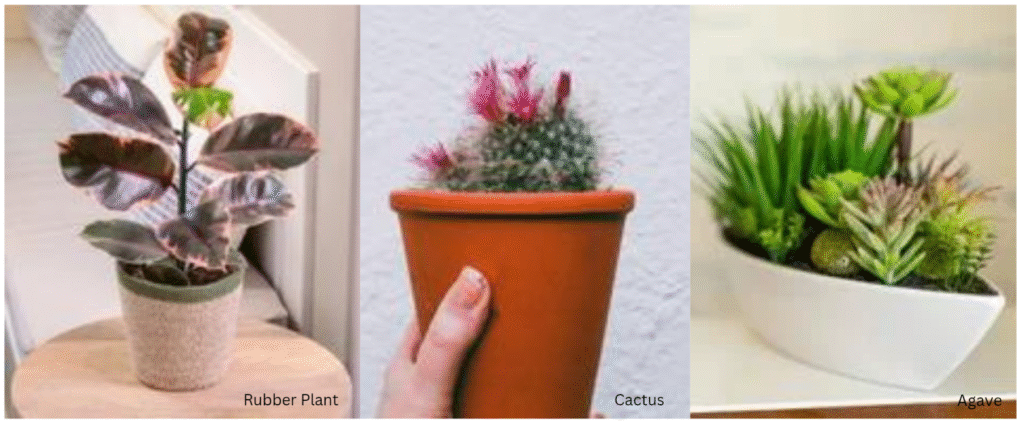
If you live in Arizona, you may be dealing with very hot and dry conditions, but that doesn’t mean you can’t have plants that improve air quality and oxygen levels. There are several plants that thrive in the Arizona climate can be harsh and can still help purify the air inside your home, but some plants thrive indoors despite it. Here are some of the best indoor plants for Arizona:
14. Rubber Plant – Hardy and Stylish
Rubber plants are tough and one of the best indoor plants for Arizona homes. These plants adapt well to dry air and provides oxygen efficiently.
15. Cactus – Minimalist and Air-Friendly
Cactus are easy to care for and fit well in Arizona homes. While they don’t release as much oxygen as others, they are still one of the best indoor plants for oxygen in arid conditions.
Cactus are a great option for those living in hot, dry climates like Arizona. While they don’t necessarily improve air quality in the same way as other plants, cacti still provide oxygen and add a unique, natural beauty to your home. They require very little water and can thrive in bright, sunny conditions.
16. Agave
This is another plant that grow in hot weather like Arizona. It can tolerate dry conditions and still produce oxygen, making it a good choice for improving air quality indoors. Agave plants are low-maintenance and can be a beautiful addition to your home, especially if you live in a sunny area.
How to Care for the Best Indoor Plants for Oxygen
The best indoor plants for oxygen supply are easy to take care. Here are simple care tips:
Water moderately. Avoid overwatering.
Provide indirect sunlight or low light.
Clean leaves regularly to boost air-purifying effects.
Repot when needed for healthy roots.
Benefits of Having the Best Indoor Plants for Oxygen
Why invest in these plants? Here’s a quick summary of the perks:
- – Cleaner Air – Filters out formaldehyde, benzene, and VOCs.
- – More Oxygen – Enhances focus, reduces headaches, improves sleep.
- – Humidity – Reduces skin dryness by maintaining moisture and eliminates problems like shortness of breath.
- – Mental Well-being – Reduces stress and promotes calmness.
- – Aesthetic Appeal – Lush greenery beautifies every corner.
The best indoor plants for oxygen and clean air improve both your physical and mental health.
Conclusion – Bring Beauty and Fresh Air Into Your Home
Choosing the best indoor plants for oxygen transforms your living space. You get fresh air, clean surroundings, and beautiful decor. These plants are simple to care for and make a big impact on your home’s health. Whether you’re styling a living room or a bedroom, the best indoor plants for oxygen bring beauty and vitality. From hardy Snake Plants to graceful Peace Lilies, there’s a plant for every space. You’ve learned what are the best indoor plants for oxygen — now it’s time to bring them home.
Remember, the best indoor plants for oxygen without sunlight exist too, so even shaded corners can flourish. The best indoor plants for oxygen are not just beautiful additions to your home, but they also improve the air you breathe and enhance your overall well-being. Whether you’re looking for low-light plants, options for your bedroom, or plants that thrive in dry climates like Arizona, there’s a plant for every need and these green companions will elevate your indoor environment.
Add the best indoor plants for oxygen today and enjoy the benefits of a greener, fresher home. Start small or fill every room—either way, your home will breathe easier So, choose the plants that best fit your space and enjoy the beauty and benefits they bring.

There are so many ways in which 2016 proved to be a volatile market for the real estate market. The housing market wasn’t even immune to the whims of 2016. At the beginning of 2017, the experts predicted a quick pick-up in the building activity but builders still don’t seem to produce enough homes. At the same time, prices of homes increased beyond predictions and mortgage rates also hovered around their record-low levels. If the experts expected that the market would transition from fast recovery to something normal, it surely didn’t happen.
Nevertheless, 2016 was touted to be a pretty good year for housing as mortgage rates remained at their historically low level. Millennials also started entering the market. We are seeing the profound impacts of all this in 2017. Here are few predictions for the real estate market.
- 1. Prices of homes will rise but slowly
Prices increased every month when the largest gains came in the later half. Financial analysts are of the opinion that prices will rise higher but the gains will be slow indeed. Increase in price will hold steady in spite of slowing sales growth. Homebuyer demand is stronger now than what it was during the same time last year. With the present high consumer confidence and low rate of unemployment, there are enough of affordability trends. The median home sale prices to gain 5.4% in 2017 as compared to 2016.
- 2. Affordability rates might worsen
Wages are predicted to grow in the bigger cities of America very soon but the number of homes which are affordable to someone who is earning the median income is not growing. This is a trend which has hurt many who are aspiring to purchase their first home over the last few years. They find a gross shortage in low-to-moderate priced inventory and soaring mortgage rates. Hence the modern housing market is proving to be too unaffordable for the people who are looking forward to buying homes.
- 3. Mortgage interest rates will remain volatile
The 2 major political events which occurred in 2016 set mortgage rates moving in contradictory directions. During the month of June, the British vote to exit the EU put rates even at their record low levels. The US election of Donald Trump had a different effect sending rates at more than 4% and as per historic standards, rates are still low. In 2017, experts expect movement of the rates on 30 year fixed rate mortgages.
- 4. Credit availability will enhance
The Trump administration priorities won’t deal directly with housing and the president-elect and his entire team made it clear they are going to roll out the entire financial crisis. Meanwhile there is enough speculation that Trump could return federally-controlled mortgage companies Freddie Mac and Fannie Mae to private control mortgages. However, such moves could control who could receive credit to purchase a home.
Therefore, if you’re in the market to buy a new house, you should take into account the bigger picture. Base your housing decisions on them so that you take an informed and weighed decision.

Best of The 12 Bedroom Curtain Ideas – Comfortable and Stylish

15 The Best Mosquito Repellent Plants – A Disease Free Home

16 The Best Indoor Plants for Oxygen – A Successful Home

Socialmediagirls Forum: 10 Amazing Ways to Connect to the Earth

6 Forms of Entertainment in Human Life: Better Experience

Power of Art – Its Essential Role in a Child’s Growth
-
 Tech2 years ago
Socialmediagirls Forum: 10 Amazing Ways to Connect to the Earth
-
 Entertainment2 years ago
6 Forms of Entertainment in Human Life: Better Experience
-
 Art2 years ago
Power of Art – Its Essential Role in a Child’s Growth
-

 Art2 years ago
Creative Art Ideas – Twelve Imagination Perspective of the Virtuous Man
-

 Entertainment2 years ago
Movie Lovers – The 5 Unforgettable Roamantic Movies of All Time
-

 Entertainment2 years ago
Awards Ceremony – One Show to Celebrate Success and Recognize Talent
-

 Lifestyle2 years ago
Online Product Shopping – The Best 9 Essential Tricks to Important
-

 Lifestyle2 years ago
Essential Dressing Tips for Men