Lifestyle
How to Clean Electric Kettle – The Best 5 Tips

A clean electric kettle can make everyday tea, coffee, and hot water taste noticeably better. Over time, mineral deposits can build up inside the kettle, especially if you use hard water. Those white or chalky spots may look harmless, but they can affect the appearance, smell, and performance of your kettle.
The good news is that regular cleaning does not have to be difficult. You can use simple household ingredients and a few minutes of your time to keep your kettle fresh. In this guide, you will learn how to clean electric kettle safely, remove limescale, deal with odors, and keep your appliance in good shape.
Table of Contents
How to Clean Electric Kettle: Start With the Basics

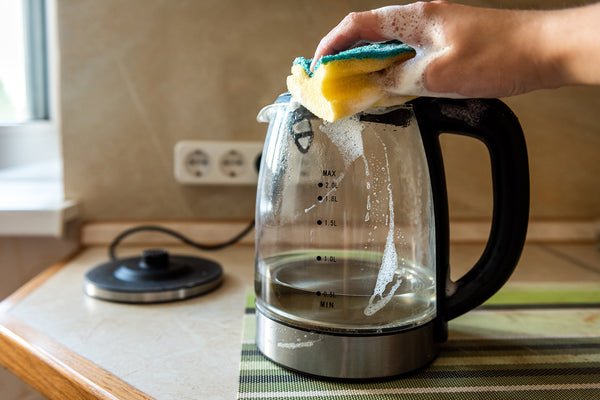
Before learning how to clean an electric kettle, it helps to understand what you are actually removing. Most kettles collect limescale, which is a mineral buildup left behind when water is heated. It often appears as white flakes, rough patches, or a cloudy layer around the base.
Limescale is especially common in areas with hard tap water. The buildup may become thicker when you use the kettle several times a day. A heavily coated kettle can also take longer to heat water and may become harder to rinse properly.
The first step is simple. Unplug the kettle and let it cool completely. Never clean an electric kettle while it is connected to power. You should also avoid putting the electrical base or the entire appliance under running water.
How to Clean Electric Kettle With Vinegar

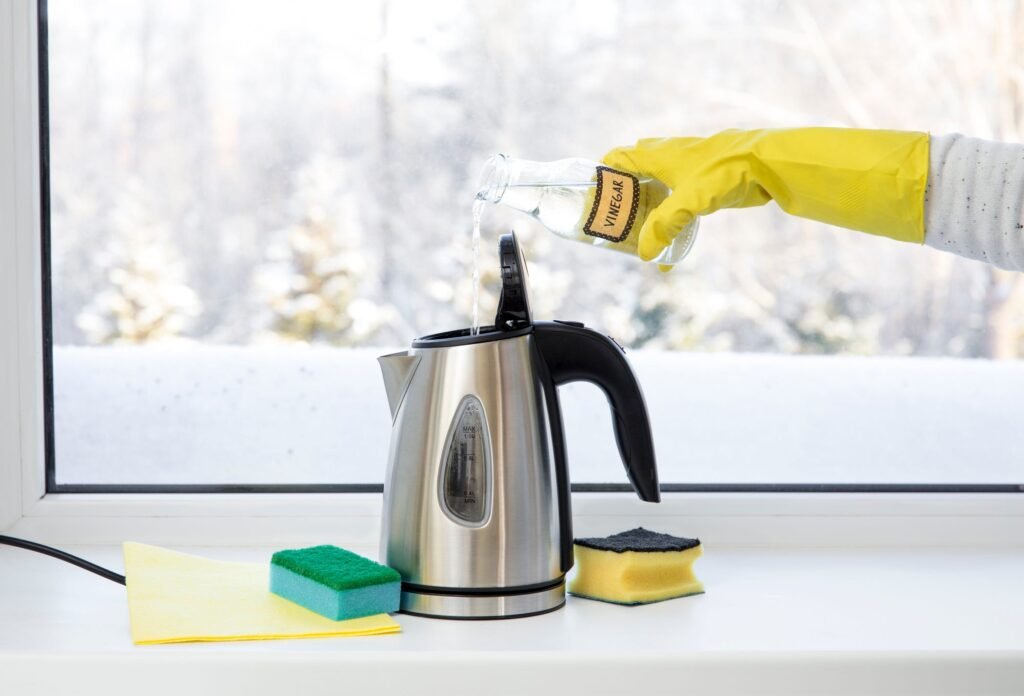
Vinegar is one of the most popular ways to remove mineral buildup. If you are searching for how to clean electric kettle with vinigar, remember that the correct spelling is vinegar, and the method is quite simple.
Fill the kettle with a mixture of equal parts white vinegar and water. Do not fill it beyond the maximum line. Boil the solution according to the kettle’s normal heating cycle, then switch the kettle off and let the mixture sit for about 20 to 30 minutes.
The mild acidity helps loosen mineral deposits from the inside surface. After soaking, pour the solution away and rinse the kettle several times with clean water. Boil fresh water once or twice and discard it before making your next drink.
This method can work well when the buildup is visible but not extremely thick. For stubborn deposits, you may need to repeat the process rather than using a stronger solution.
How to Clean Electric Kettle With Lemon

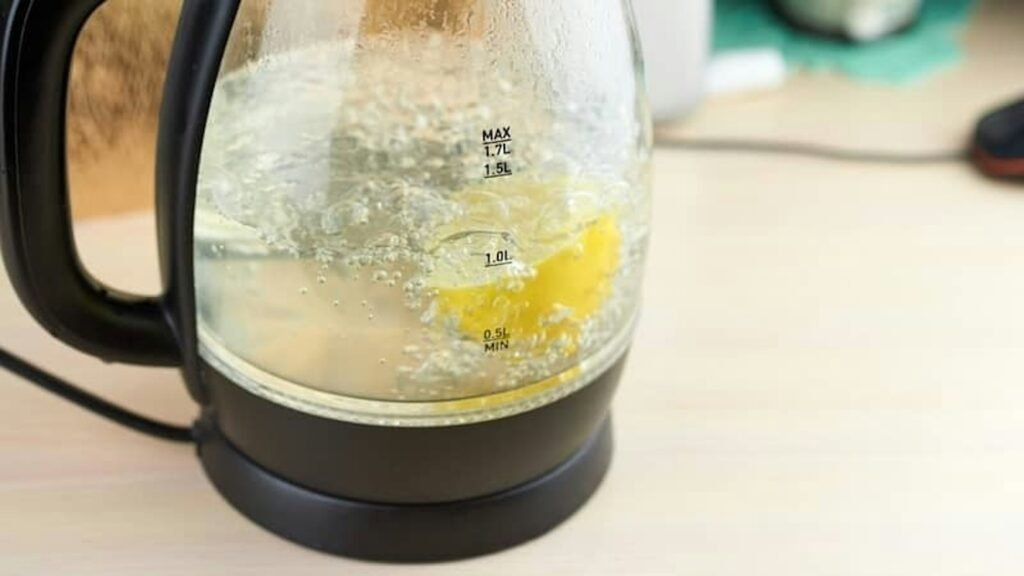
If you prefer a fresh-smelling option, lemon can be a useful choice. People often ask how to clean an electric kettle with lemon because lemon juice and lemon slices can help loosen light mineral deposits while leaving a pleasant scent.
Start by filling the kettle about halfway with water. Add the juice of one or two lemons. You can also add a few lemon slices. Bring the mixture to a boil, then switch off the kettle and allow it to sit for around 30 minutes.
Pour out the mixture and gently wipe the inside with a soft sponge if needed. Avoid abrasive scrubbers because they can scratch some kettle surfaces. Rinse thoroughly with fresh water.
Lemon is particularly convenient when you want to clean the kettle without leaving a strong vinegar smell. It may be a good option for routine maintenance and lighter buildup.
How to Clean Electric Kettle With Baking Soda

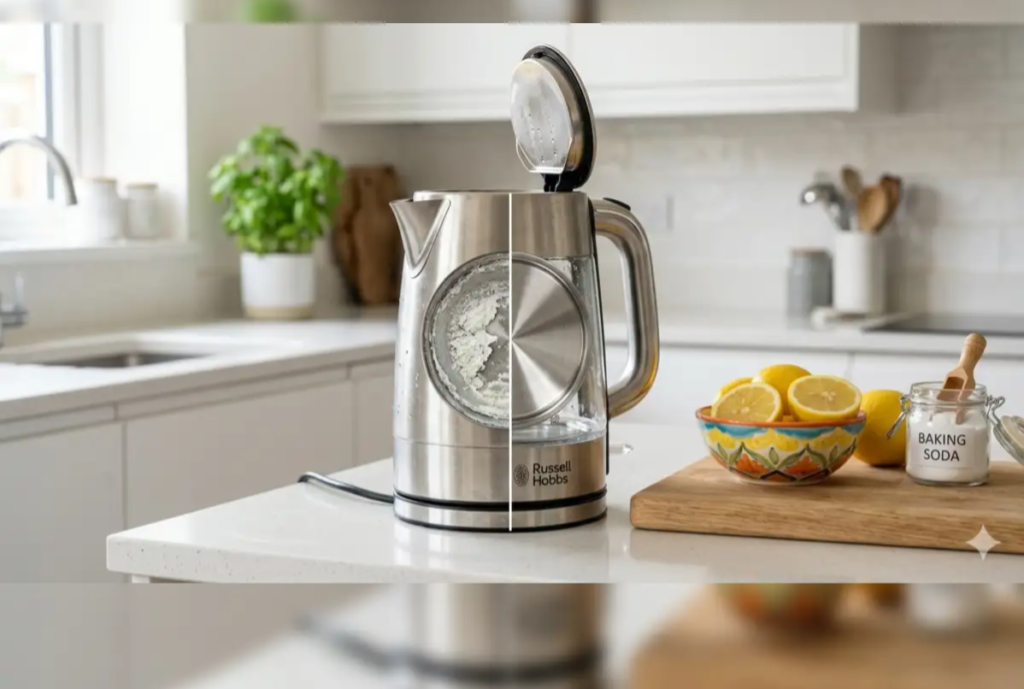
Baking soda can help with light residue and unpleasant odors. It is less acidic than vinegar, so it is not always the best choice for thick limescale, but it can be useful as part of a cleaning routine.
Add about one teaspoon of baking soda to a kettle filled with water. Bring the mixture to a boil, then switch the kettle off. Let it sit for approximately 15 to 20 minutes.
Empty the kettle and rinse it several times. If you notice a small amount of residue remaining, use a soft sponge to wipe the affected area. Do not scrub aggressively.
If your kettle has heavy mineral buildup, an acidic cleaning method such as diluted white vinegar or lemon may be more effective. The goal is to loosen the deposit without damaging the appliance.
How to Clean Electric Kettle With Plain Water

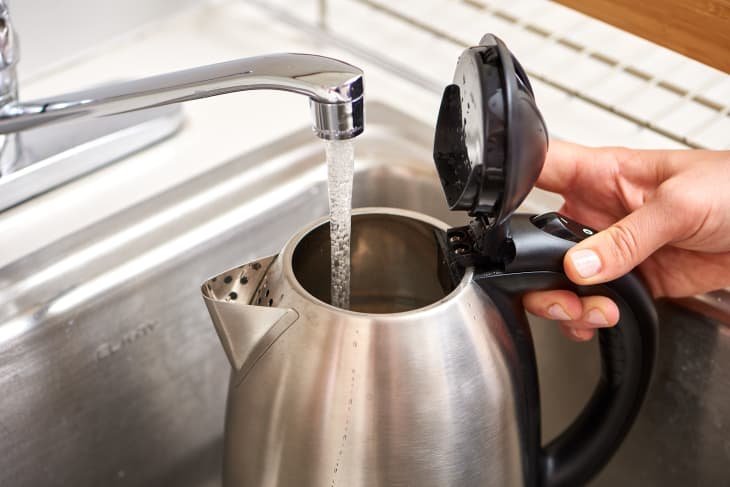
Not every cleaning session needs a special ingredient. If you use filtered or soft water and clean your kettle regularly, plain water may be enough for basic maintenance.
Fill the kettle with clean water, boil it, and empty it. Once the kettle is cool, wipe the interior opening and exterior with a soft, damp cloth. This simple habit can reduce the amount of residue that remains between deeper cleaning sessions.
If you notice flakes, rough patches, or a cloudy film, plain water will not remove established limescale. That is a sign that the kettle needs a more thorough cleaning.
How to Clean Electric Kettle: A Simple 5-Step Routine
A consistent routine makes how to clean electric kettle much easier. You do not need to wait until the inside looks heavily coated.
1. Unplug and Cool the Kettle
Always disconnect the kettle from power before cleaning. Give it enough time to cool so you can handle it safely.
2. Empty Old Water
Do not leave unused water sitting inside the kettle for long periods. Empty it after use when practical, especially if the water has been sitting overnight.
3. Choose a Cleaning Solution
For mineral buildup, use diluted white vinegar or lemon. For mild odors or light residue, baking soda can be useful.
4. Let the Solution Work
Allow the solution enough time to loosen deposits. Do not assume that boiling a stronger solution is better. A gentler mixture with enough soaking time is often sufficient.
5. Rinse Thoroughly
Rinse the kettle several times. Then boil fresh water and discard it once or twice. This helps remove any remaining taste or smell before normal use.
How to Clean Electric Kettle: What About Different Materials?
Kettle materials can affect the way you clean them. The basic rules stay the same, but the surface deserves some attention.
A glass electric kettle makes mineral deposits easy to spot. This can be helpful because you can clean the appliance before buildup becomes heavy. Use a soft sponge and avoid rough pads that could scratch the glass.
A stainless steel electric kettle is durable, but it can still develop limescale and water spots. After cleaning, dry the outside with a soft cloth to help prevent visible marks.
If you own a breville electric kettle, check the manufacturer’s care instructions before trying a new cleaning product. Some models have specific recommendations for descaling and exterior care. The same principle applies to any branded kettle. Follow the instructions for your model when they differ from general cleaning advice.
How to Clean Electric Kettle Without Damaging It
A little care can prevent common cleaning mistakes. Never immerse the kettle, its electrical connector, or its power base in water unless the manufacturer specifically says that part is designed to be submerged.
Avoid harsh chemical cleaners inside the kettle. The appliance is used to heat drinking water, so anything used for cleaning should be appropriate for the surface and easy to rinse away.
Do not use steel wool or aggressive scouring pads. They can leave scratches that make the surface harder to clean later. A soft sponge, microfiber cloth, or non-abrasive brush is usually a safer choice.
Do not operate an empty kettle just to loosen residue. Kettles are designed to heat water, and using one without enough water can damage the heating system or trigger safety controls.
How to Clean Electric Kettle When There Is a Bad Smell
A strange smell can come from old water, mineral buildup, or leftover cleaning solution. Start by emptying the kettle and rinsing it well.
If the smell remains, use a diluted lemon solution. Boil the mixture, let it sit, then rinse thoroughly. You can repeat the process if necessary.
After cleaning, leave the lid open while the kettle dries. Good airflow can help prevent stale odors from developing.
If the smell is coming from the outside, wipe the surface with a damp cloth and dry it immediately. Do not pour water over the electrical parts.
How to Clean Electric Kettle: How Often Should You Do It?
There is no single schedule that works for every household. Your cleaning frequency depends on your water quality and how often you use the kettle.
If you have hard water, you may need to descale the kettle every few weeks. If your water is soft or filtered, you may be able to clean it less often.
Look inside the kettle regularly. If you see white spots, flakes, or a rough layer around the bottom, it is time for a deeper clean.
Daily habits can also help. Empty leftover water, rinse the kettle when needed, and avoid allowing water to sit inside for long periods. These small steps can make deeper cleaning easier.
How to Clean Electric Kettle for Better-Tasting Drinks
A clean kettle can make a difference when you prepare tea, coffee, hot chocolate, or instant meals. Mineral deposits may not always be obvious in the finished drink, but a heavily scaled kettle can affect the water’s taste.
Clean water also matters. If your tap water has a strong mineral taste, consider using filtered water if it is practical for your household. This may reduce the amount of mineral buildup inside the kettle.
Still, filtered water does not mean the kettle never needs cleaning. Even small amounts of minerals can collect over time. Regular maintenance remains useful.
How to Clean Electric Kettle: Common Mistakes to Avoid
One common mistake is waiting until the kettle is completely covered in scale. Small deposits are usually easier to remove than thick, hardened buildup.
Another mistake is using too much cleaning solution. More vinegar, lemon juice, or baking soda does not automatically mean better cleaning. Follow a reasonable dilution and give the solution time to work.
Some people also forget to rinse the kettle after descaling. This can leave a noticeable taste in the first drink. Always rinse well and boil fresh water before returning to normal use.
Finally, do not ignore the outside. Wipe away fingerprints, splashes, and water spots regularly. A clean exterior makes the whole appliance feel fresher.
How to Clean Electric Kettle: Quick Maintenance Tips
Keeping a simple routine is the easiest way to make how to clean electric kettle less of a chore. Set a reminder based on how quickly deposits appear in your home, then clean the kettle before the buildup becomes difficult to remove.
Keeping a simple routine is the easiest way to make how to clean electric kettle less of a chore. Set a reminder based on how quickly deposits appear in your home, then clean the kettle before the buildup becomes difficult to remove.
Keep these simple habits in mind:
- – Empty unused water after each day.
- – Wipe the exterior with a soft, damp cloth.
- – Check the inside for white or rough deposits.
- – Descale when buildup becomes visible.
- – Rinse thoroughly after every deep-cleaning session.
- – Keep the electrical base dry.
- – Follow your kettle manufacturer’s care instructions.
- – Avoid abrasive tools and harsh cleaners.
These habits take very little time. They can also help your kettle stay cleaner between deeper cleaning sessions.
Frequently Asked Questions
How often should I clean my electric kettle?
The right schedule depends on your water and usage. With hard water or frequent use, check the kettle every few weeks. Clean it when you notice visible limescale or a change in taste.
Can I use vinegar to descale an electric kettle?
Yes. Diluted white vinegar is commonly used to loosen mineral deposits. Afterward, rinse the kettle thoroughly and boil fresh water once or twice before using it for drinks.
Is lemon better than vinegar for cleaning a kettle?
Both can help with light mineral buildup. Lemon has a fresher smell, while vinegar is often chosen for stronger descaling. Use the option that suits your kettle and cleaning preferences.
Can I clean the outside of an electric kettle with water?
Yes, but use a damp cloth rather than pouring or soaking the appliance. Keep water away from the electrical base, connector, controls, and other electrical components.
Why does my kettle keep getting limescale?
Limescale comes from minerals in water. Hard water contains more of these minerals, so deposits can develop faster. Regular descaling can keep the buildup under control.
Can baking soda remove limescale?
Baking soda can help with light residue and odors, but it may not be as effective against heavy mineral deposits as an acidic descaling solution. Use a gentle method and rinse well.
Final Thoughts
Learning how to clean electric kettle does not have to become a complicated household chore. A simple cleaning routine, the right solution, and regular rinsing can keep mineral buildup under control.
Start by checking your kettle regularly. If you see limescale, choose a gentle cleaning method such as diluted vinegar or lemon. Let it sit, rinse thoroughly, and dry the appliance properly.
The most important part is consistency. When how to clean electric kettle becomes a normal part of kitchen care, it takes only a few minutes and feels much easier to manage.