Tech
8 Top New Technologies That Have Changed Human Life

Technology has become an important part of everyday life. From smartphones and online banking to advanced medical equipment and artificial intelligence, new inventions are changing how we live, work, communicate, and entertain ourselves. Many tasks that once took hours can now be completed in minutes. People can also access information, connect with loved ones, and learn new skills from almost anywhere.
The top new technologies are not just changing businesses. They are also influencing our homes, schools, hospitals, workplaces, and social lives. Some technologies help us save time, while others improve safety, solve problems, and create new opportunities. Understanding these changes can help us make better decisions about the tools we use every day.
In this article, we explore eight important technologies that have changed human life. We will look at how they work, where people use them, and why they matter for the future.
Table of Contents
Top New Technologies That Are Transforming Everyday Life
Technology continues to develop as people search for better ways to solve everyday problems. Some innovations improve existing tools, while others introduce completely new ways of doing things.
Here are eight important technologies that have made a noticeable difference in modern society.
1. Artificial Intelligence: Making Everyday Tasks Easier


Artificial intelligence, commonly known as AI, is one of the most influential technologies in the modern world. It allows computer systems to perform tasks that usually require human intelligence. These tasks include understanding language, recognizing images, analyzing information, and identifying patterns.
AI is already part of many everyday activities. Voice assistants can answer questions, navigation apps can suggest faster routes, and email services can filter unwanted messages. AI-powered chatbots can also help customers find information without waiting for a human representative.
Businesses use AI to study customer behavior, organize large amounts of data, and improve decision-making. In healthcare, AI tools can assist professionals with medical image analysis and other clinical tasks.
Another reason AI stands out among the top new technologies is its ability to support creativity. People use AI-powered tools to generate ideas, edit images, summarize information, and improve their writing.
However, AI also creates challenges. Incorrect information, privacy concerns, and unfair automated decisions require careful attention. Human judgment remains essential, especially when decisions affect people’s health, finances, or rights.
The best approach is to treat AI as a helpful tool rather than a replacement for critical thinking.
2. Robotics and Automation: Changing How People Work

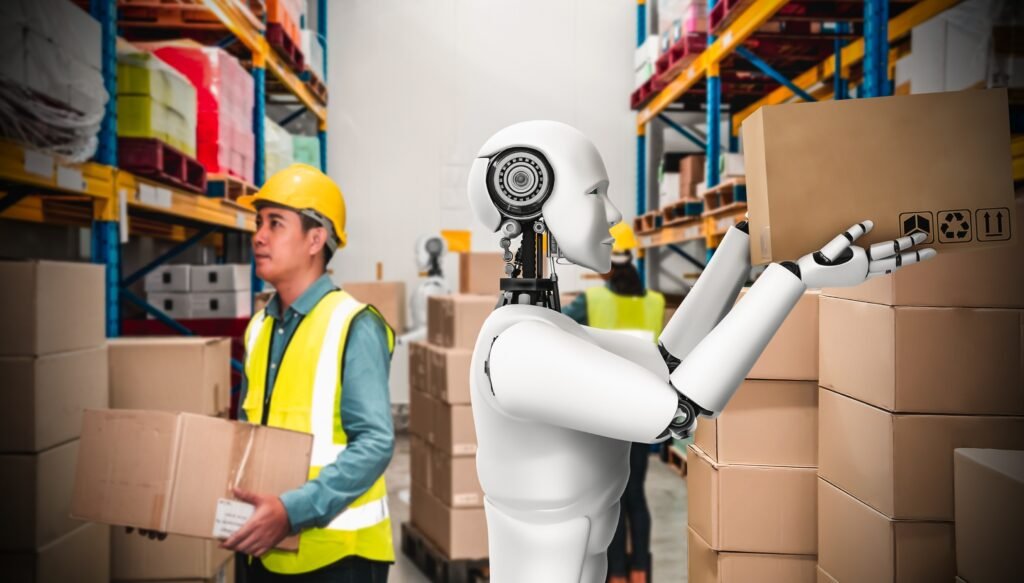
Robotics has changed how many industries manufacture products, move materials, and complete repetitive tasks. Modern robots can follow programmed instructions, respond to sensor data, and perform certain jobs with impressive precision.
Factories use industrial robots to assemble vehicles, package products, and handled materials. Warehouses use automated machines to move goods and support order fulfillment. These systems can improve consistency and reduce the need for people to perform physically demanding tasks.
Robotics also plays a growing role in healthcare. Some hospitals use robotic systems to assist surgeons with specific procedures. Other robots help transport supplies, disinfect rooms, or support rehabilitation.
Automation is especially useful when work involves dangerous conditions. Robots can inspect hazardous industrial areas, assist with disaster response, and explore locations that are difficult for humans to reach.
Still, automation can change employment opportunities. Some jobs may disappear, while others require new technical skills. Workers may need training to operate, maintain, and supervise automated systems.
Among the top new technologies, robotics shows how machines can support human work. The goal should be to improve productivity and safety while helping workers adapt to changing job requirements.
3. The Internet of Things: Connecting Everyday Devices

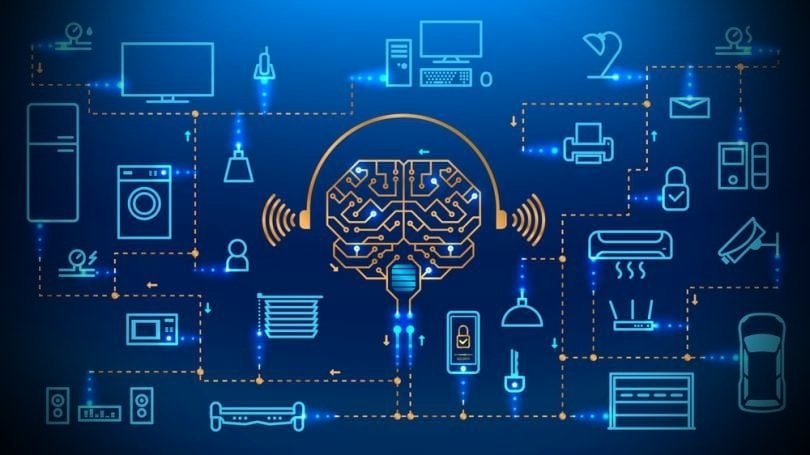
The Internet of Things, or IoT, refers to physical devices connected to the internet that collect and exchange information. These devices may include household appliances, security cameras, fitness trackers, industrial sensors, and smart thermostats.
Smart homes are one of the easiest ways to understand IoT. A homeowner can adjust room temperature using a smartphone, check a security camera remotely, or schedule lights to switch on automatically.
Wearable devices can track physical activity, heart rate, and sleep patterns. Depending on the device, this information may help users understand their habits and discuss relevant trends with healthcare professionals.
Businesses also rely on connected sensors. Factories can monitor equipment performance, farms can measure soil moisture, and delivery companies can track vehicles. This information helps organizations respond to problems before they become more serious.
These connected systems are useful, but they also introduce privacy and security risks. A poorly protected device could expose personal information or provide an entry point for attackers.
Users should choose trusted products, install updates, and secure their accounts with strong passwords and multifactor authentication where available.
As connected devices become more common, IoT will continue to influence how people manage their homes, businesses, and daily routines.
4. Renewable Energy Technology: Supporting a Cleaner Future

Energy powers nearly every part of modern life. Homes, transportation systems, factories, and communication networks all depend on reliable electricity and fuel.
Traditional energy sources have supported economic growth, but burning fossil fuels also produces greenhouse gas emissions. Renewable energy top new technologies offer additional ways to generate electricity while reducing dependence on fossil fuels.
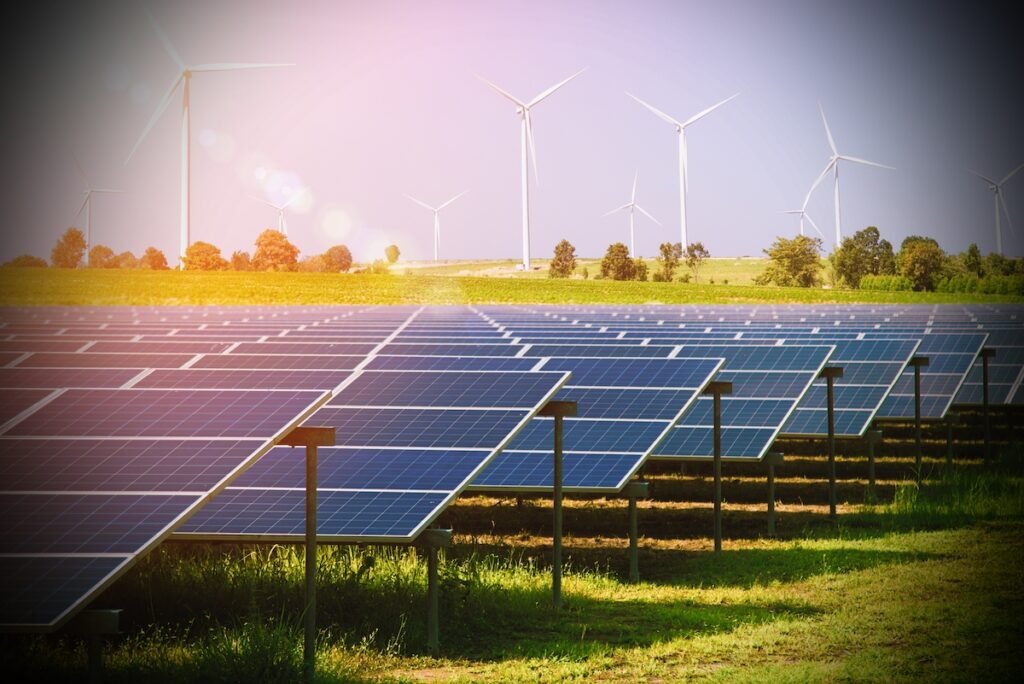
Solar panels convert sunlight into electricity, while wind turbines use moving air to generate power. Hydropower produces electricity from flowing water. Other technologies, including geothermal energy, use heat from within the Earth.
Energy storage is another important development. Batteries can store electricity for later use, helping balance periods when solar or wind generation is low.
Electric vehicles are also changing transportation. They use electric motors instead of conventional combustion engines and can help reduce direct exhaust emissions. Their overall environmental impact still depends partly on electricity sources, battery production, and vehicle use.
Top new technologies and modern technology examples in the energy sector include smart electricity meters, advanced batteries, and systems that help manage power demand.
These solutions still face challenges, including installation costs, material requirements, and the need for better electricity infrastructure. Even so, continued progress can make energy systems more flexible and efficient.
Renewable energy is one of the top new technologies worth watching because it connects technological progress with environmental responsibility.
5. Medical Technology: Improving Healthcare and Treatment


Medical top new technology has transformed how healthcare professionals identify illnesses, monitor patients, and deliver treatment.
Modern imaging equipment, including MRI and CT scanners, helps doctors examine internal structures without relying solely on invasive procedures. Laboratory technologies can identify infections and measure important biological indicators.
Telemedicine has also expanded access to healthcare. Patients can consult healthcare professionals through video calls when remote appointments are suitable. This can be particularly helpful for people who live far from medical facilities or have difficulty traveling.
Wearable health devices provide another example of top new technological progress. Some can measure heart rate, detect irregular heart rhythms, or record changes in activity. These measurements can offer useful information, although consumer devices do not replace professional diagnosis.
Researchers are also exploring personalized medicine. By considering factors such as genetics, medical history, and individual characteristics, healthcare teams may be able to select treatments that better fit certain patients.
Robotic assistance, advanced prosthetics, and computer-supported medical research are expanding what healthcare technology can accomplish.
However, access remains uneven. Medical equipment can be expensive, and digital health services require reliable internet access and appropriate privacy protections.
Healthcare innovation matters most when it helps people receive safe, effective, and accessible care. Top new technology can support that goal, but trained professionals and informed patients remain central to good healthcare.
6. Cloud Computing: Making Information Available Anywhere

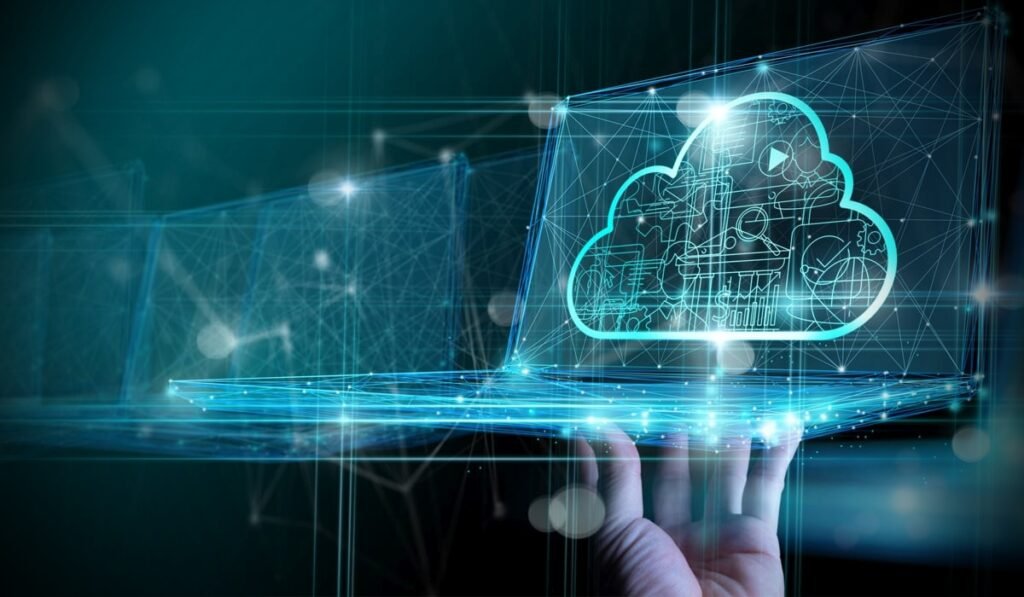
Cloud computing allows people and businesses to use computing resources over the internet instead of depending entirely on local computers or servers.
Many familiar services rely on cloud top new technology. Online storage platforms let users save photographs, documents, and videos. Collaboration tools allow teams to edit files together, even when members work from different locations.
Cloud computing has changed education and business as well. Students can access learning materials online, while companies can use hosted software without building every part of their own technology infrastructure.
One major advantage is flexibility. Organizations can increase or decrease their computing resources according to demand. This can be more practical than purchasing expensive equipment for occasional needs.
Cloud services also support software development, online entertainment, data analysis, and AI applications. Many digital services would be harder to deliver at scale without cloud infrastructure.
However, cloud computing is not completely risk-free. Internet outages can interrupt access, and organizations must consider data security, privacy, service costs, and provider reliability.
Users should understand where important information is stored and maintain backups when necessary.
Cloud computing may not always be visible, but it supports many of the digital activities people now consider normal. Its influence makes it one of the most important technologies in everyday life.
7. Gaming Technology: Creating More Interactive Experiences

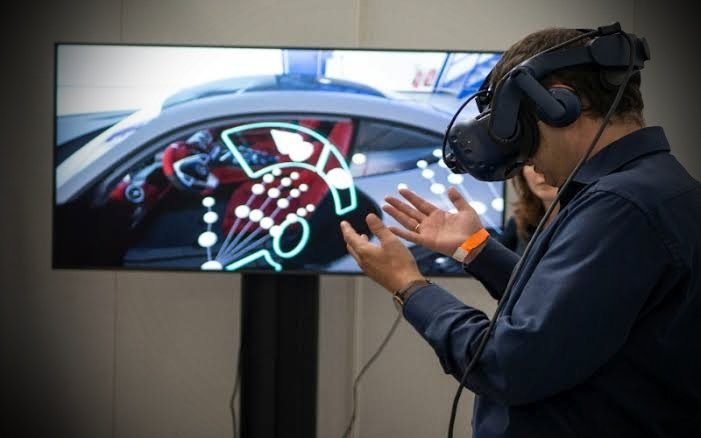
Gaming has changed significantly since the early days of simple arcade machines and basic home consoles. Today’s games can feature detailed environments, realistic physics, online multiplayer systems, and interactive stories.
Powerful graphics processors help developers create more detailed characters and landscapes. Faster internet connections make online gaming more responsive, while cloud gaming services allow some games to run on remote servers instead of relying entirely on local hardware.
Virtual reality, or VR, adds another dimension by placing players inside computer-generated environments. With compatible equipment, players can look around and interact with virtual spaces in a more immersive way.
Augmented reality, or AR, combines digital elements with the real world. Depending on the application, users can see virtual objects overlaid on their surroundings through a compatible phone or headset.
These developments are also useful beyond entertainment. Simulation games and virtual environments can support training, education, and certain professional activities.
How Top New Technologies Are Changing Gaming Altwaygamers
Discussions about how top new technologies are changing gaming altwaygamers highlight the growing relationship between gaming, online communities, and digital innovation.
Modern gaming is no longer limited to playing alone in front of a screen. Players can communicate with friends, participate in tournaments, stream gameplay, and share their achievements with audiences around the world.
AI can help developers create smarter non-player characters and assist with game testing. Cloud technology can make certain games accessible across different devices, while improved accessibility settings can help more people enjoy gaming.
Social media has also changed gaming culture. Short gameplay clips, live streams, reviews, and online discussions allow players to discover games and connect with other fans.
However, gaming top new technology has its challenges. Excessive screen time, online harassment, privacy concerns, and in-game spending can affect players. Developers, parents, and gaming communities all have a role in encouraging safer habits.
Gaming demonstrates how top new technology can combine entertainment, creativity, communication, and social interaction.
8. Oil and Gas Technology: Making Energy Production More Efficient


Oil and gas remain important parts of the global energy system. Top new technologies helps companies explore underground resources, operate equipment, monitor production, and improve workplace safety.
Modern exploration often uses advanced seismic imaging. These techniques help geologists interpret underground rock formations and assess potential drilling locations.
Sensors and automated monitoring systems can collect information about pressure, temperature, equipment performance, and production conditions. Engineers use these measurements to identify unusual changes and respond to operational problems.
Artificial intelligence and data analysis can also support maintenance planning. By examining equipment data, companies may identify warning signs before certain components fail.
Top New Technologies in Oil and Gas Production
The development of new technologies in oil and gas production includes digital monitoring, remote operations, advanced drilling methods, and improved equipment inspection.
For example, remote monitoring systems can help specialists supervise operations from control rooms rather than being physically present at every location. Drones and robotic inspection tools can also help examine certain difficult-to-reach structures.
Digital models of industrial equipment and facilities may allow engineers to test scenarios and study operational performance before making changes to real systems.
Top new technologies can improve efficiency and help reduce some operational risks. However, they do not eliminate the possibility of accidents, equipment failures, or environmental damage.
Cybersecurity is another important concern because connected industrial systems may be vulnerable to digital attacks. Companies need strong security practices, regular inspections, and clear emergency procedures.
Top new technology can improve oil and gas operations, but responsible management is essential. The industry must also address methane emissions, spills, worker safety, and the wider environmental effects of fossil fuel production.
The Future of Top New Technologies
Top new technologies discussed above show how innovation can influence almost every area of modern life. However, their development is far from complete.
AI systems may become more useful in research, education, and everyday productivity. Medical technology could support earlier disease detection and more personalized treatment. Robotics may help address labor shortages and improve safety in demanding workplaces.
Energy storage, smart electricity networks, and renewable power systems may also become more important as countries work to modernize their energy infrastructure.
Meanwhile, improvements in internet access and digital services could create new opportunities for remote learning, online businesses, and global communication.
Still, technological progress should not be measured only by speed or convenience. Privacy, affordability, accessibility, safety, and environmental impact matter too.
People need the skills to use new tools responsibly. Businesses need to protect information and consider how automation affects workers. Governments and communities must also help ensure that technological benefits are not limited to a small group.
The most useful innovations will be those that solve real problems and improve people’s lives without creating unnecessary risks.
Conclusion: How Top New Technologies Continues to Change Human Life
The top new technologies have changed how people communicate, work, travel, receive medical care, produce energy, and enjoy entertainment. Artificial intelligence, robotics, connected devices, renewable energy, medical technology, cloud computing, gaming systems, and industrial innovations all play important roles in modern society.
Top new technologies offers different benefits. Some save time, others improve safety, and many create opportunities that were difficult to imagine just a few decades ago.
At the same time, every major innovation brings questions about privacy, security, cost, and responsible use. Understanding both the benefits and limitations of technology helps people make informed choices.
As these tools continue to develop, staying curious and learning new skills will become increasingly valuable. You do not need to be a technology expert to understand these changes. Start by exploring the tools you use every day and consider how they can help you live, learn, and work more effectively.
The future of technology will be shaped not only by what people invent, but also by how wisely they choose to use it.
Frequently Asked Questions (FAQs)
1. What are the top new technologies changing human life?
Some of the most influential top new technologies include artificial intelligence, robotics, the Internet of Things, renewable energy systems, medical technology, cloud computing, advanced gaming systems, and digital tools used in oil and gas production.
These technologies affect communication, healthcare, entertainment, business operations, and energy production.
2. How does artificial intelligence help people in everyday life?
Artificial intelligence helps people complete tasks such as finding information, navigating routes, organizing messages, analyzing data, and creating digital content.
It can save time and support decision-making, but users should verify important information because AI systems can make mistakes.
3. What are some top new technologies and modern technology examples?
Top new technologies and modern technology examples include smartwatches, voice assistants, electric vehicles, solar panels, robotic equipment, cloud storage, virtual reality headsets, and connected home security systems.
These tools show how technology can make everyday tasks easier and improve access to information and services.
4. How are top new technologies changing gaming?
Top new technologies are making games more interactive through improved graphics, AI-powered characters, virtual reality, augmented reality, and online multiplayer experiences.
Cloud gaming and live streaming are also changing how people access games and connect with other players.
5. Why is cloud computing important?
Cloud computing allows users to store information, access software, and collaborate online without relying entirely on local hardware.
It helps businesses scale their services and enables people to access files and applications from different devices.
6. How are top new technologies used in oil and gas production?
Oil and gas companies use seismic imaging, industrial sensors, automated monitoring, AI-assisted analysis, and remote inspection tools.
Top new technologies can help improve operational efficiency, monitor equipment, and identify certain risks earlier.
7. Can top new technologies create problems?
Yes. Technology can introduce privacy risks, cybersecurity threats, job disruptions, excessive screen time, and environmental challenges.
Responsible design, proper training, effective security measures, and informed use can help reduce these problems.
8. What top new technologies could become more important in the future?
AI, robotics, renewable energy, advanced batteries, medical innovation, and connected digital systems are likely to remain important areas of development.
Their future impact will depend on continued research, affordability, public acceptance, and responsible implementation.